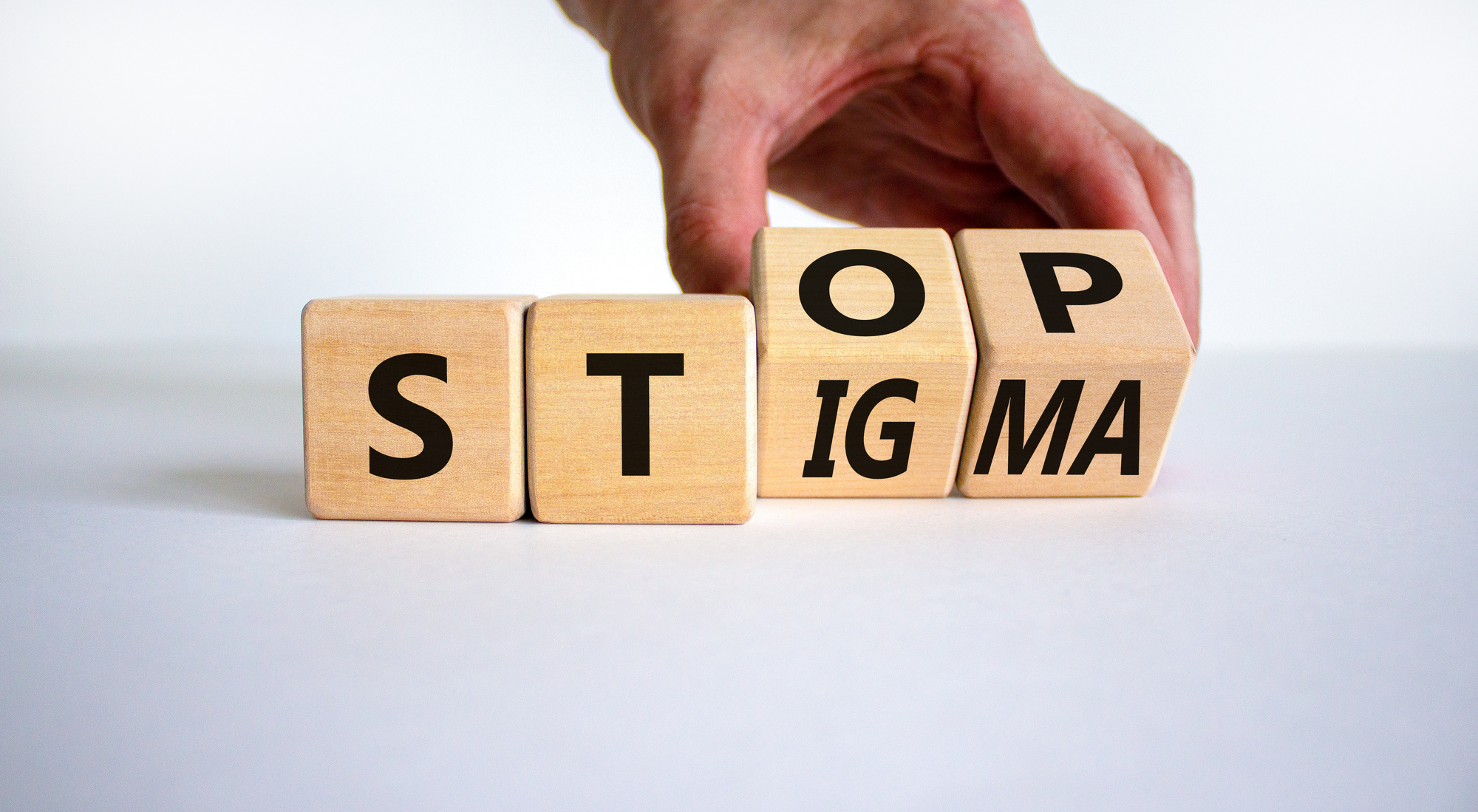
For decades, addiction has been widely misunderstood. Many still believe that substance use disorder is a matter of personal choice or a sign of moral weakness. This misconception perpetuates stigma and prevents individuals from seeking help. At Paracuaro, we approach addiction as a complex, chronic medical condition that affects the brain, body, and mind. Understanding that addiction is not a choice—and learning how science guides effective treatment—empowers families and individuals to take meaningful steps toward recovery.
Understanding Addiction as a Brain Disease
How Addiction Changes the Brain
Substance use disorders alter the brain’s reward system, increasing cravings and reducing self-control. Repeated drug or alcohol use changes the way the brain processes pleasure and stress, making it difficult to stop despite negative consequences. These neurological changes explain why addiction cannot be overcome by willpower alone.
Genetic and Environmental Factors
Addiction is influenced by a combination of genetic, environmental, and social factors. Family history, trauma, chronic stress, and mental health conditions can increase vulnerability to substance use disorder. Recognizing these influences helps reduce blame and fosters a more compassionate approach to recovery.
Science-Based Approaches to Treatment
Evidence-Based Therapies
Effective treatment begins with evidence-based therapies that target both substance use and underlying mental health conditions. Cognitive behavioral therapy, motivational interviewing, and trauma-informed care help individuals identify triggers, develop coping strategies, and rebuild healthy routines. At Paracuaro, these therapies are combined with holistic and faith-based interventions for comprehensive care.
Inpatient and Outpatient Programs
Treatment can take many forms depending on the severity of addiction. Inpatient programs provide a structured environment with 24-hour support, ideal for severe or long-term substance use disorders. Outpatient programs offer flexibility for those with strong support systems or work and family obligations, allowing participants to integrate recovery skills into daily life. Both approaches are designed to support long-term success.
Holistic and Faith-Based Support
Recovery is more than stopping substance use; it involves restoring overall well-being. Holistic practices such as mindfulness, yoga, and nutrition counseling improve physical and emotional health. Faith-based guidance provides spiritual support, purpose, and community connection. Combining these approaches with clinical care enhances motivation, resilience, and relapse prevention.
Why Recognizing Addiction as a Medical Condition Matters
Reducing Stigma
Viewing addiction as a medical condition rather than a choice reduces stigma. Families, communities, and healthcare providers are more likely to respond with empathy, encouragement, and support instead of judgment. This shift in perspective increases the likelihood that individuals will seek professional help.
Encouraging Early Intervention
Understanding that addiction is not a choice encourages early intervention. The sooner treatment begins, the higher the chances of successful recovery. Families and individuals can recognize warning signs, access professional care, and adopt healthy coping strategies before the disease progresses further.
Science, Compassion, and Recovery
Addiction is a complex medical condition, not a personal failure. Science shows that effective treatment addresses the brain, body, and mind while incorporating therapy, holistic care, and faith-based support. At Paracuaro, we provide compassionate, individualized care that combines these elements to guide each person toward lasting recovery.
If you or a loved one are struggling with substance use, reaching out for help is the first step toward healing. With the right support, education, and treatment, recovery is not only possible—it is sustainable and life-changing.