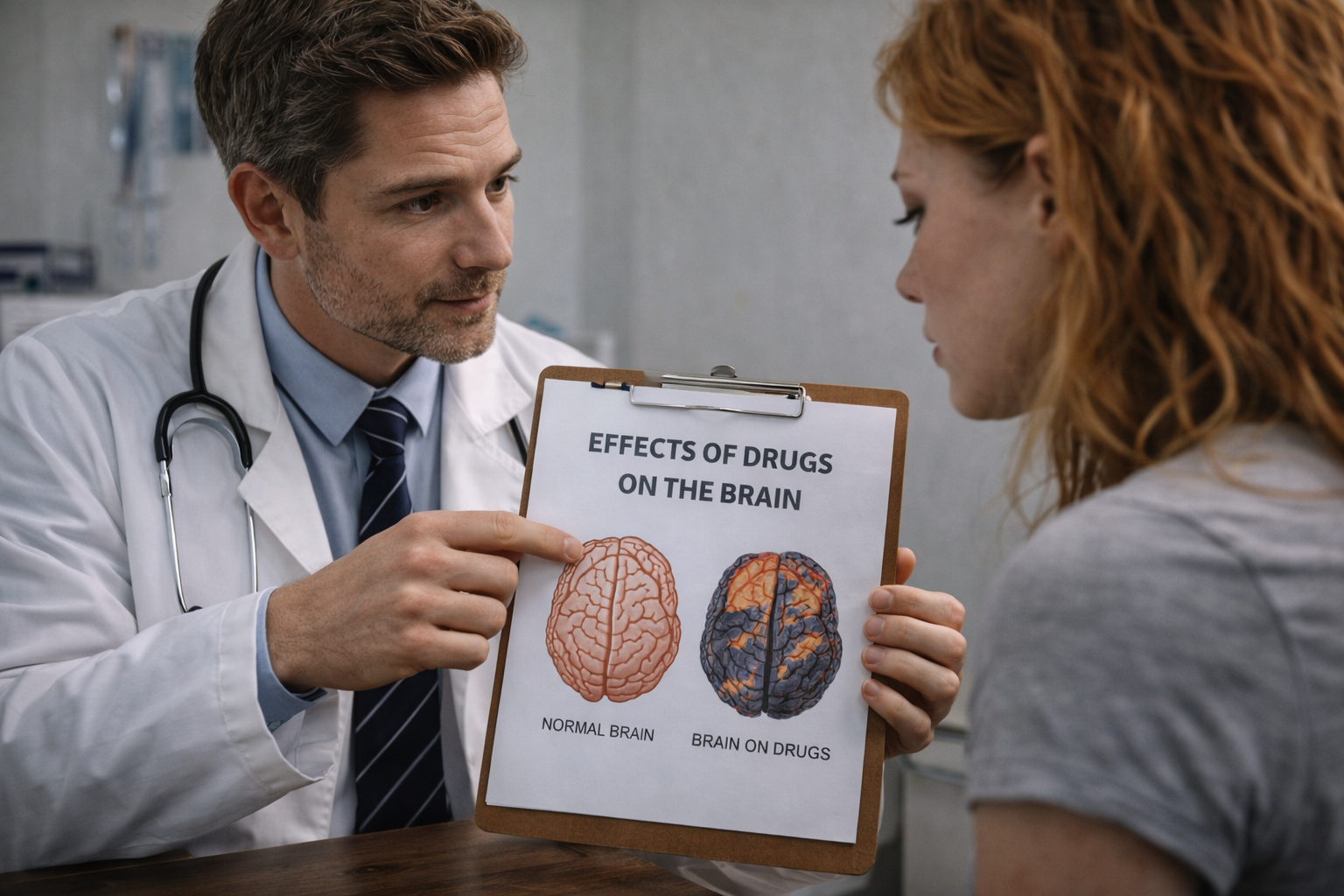
Addiction can change the way a person thinks, makes decisions, handles emotions, and responds to everyday challenges. What may begin as occasional substance use can gradually become a pattern that feels difficult to control, even when it causes problems with health, relationships, or work. These changes are not simply a matter of willpower. Addiction can affect the brain systems responsible for reward, motivation, learning, and self-control. Understanding how these changes happen can help individuals and families recognize the need for support and take meaningful steps toward recovery.
At Paracuaro, addiction information and recovery support begin with understanding the whole person. Substance use can affect physical health, emotional well-being, and daily life in different ways. With appropriate addiction treatment, individuals can learn to recognize harmful patterns, address underlying mental health concerns, and develop healthier ways to manage stress. Recovery takes time, but understanding addiction is an important first step toward lasting change.
How Addiction Changes the Brain
The brain helps regulate emotions, guide decisions, and motivate behaviors that meet everyday needs. Addictive substances can interfere with these functions, particularly when substance use becomes frequent or prolonged.
Over time, the brain may adapt to repeated exposure. As these adaptations develop, a person may find it harder to experience pleasure without substances, resist cravings, or consider the long-term consequences of using.
The Role of the Brain’s Reward System
The brain’s reward system helps reinforce activities that support survival and well-being, such as eating, connecting with others, and accomplishing meaningful goals. Addictive substances can activate this system in powerful ways, encouraging the brain to repeat the experience.
With repeated substance use, the brain can begin to associate certain situations, emotions, or environments with the substance. A stressful day, an argument, or a familiar social setting may trigger strong urges to use.
As a result, activities that once brought enjoyment may seem less satisfying, while obtaining or using a substance can become increasingly important. This does not mean a person has lost the ability to enjoy life. Rather, it highlights why professional treatment and time to recover can be important.
Why Cravings Can Feel Difficult to Control
Cravings involve more than simply wanting something. They can include persistent thoughts, emotional discomfort, physical sensations, and strong urges that are difficult to ignore.
Certain triggers can intensify cravings. These may include stress, loneliness, fatigue, social pressure, or reminders of past substance use. When a person has relied on alcohol or drugs to cope with these situations, the brain may continue to connect substance use with temporary relief.
Learning to recognize these patterns is an important part of addiction recovery. Counseling and relapse prevention planning can help individuals identify triggers, develop alternative responses, and practice managing cravings without acting on them.
Addiction, Impulse Control, and Decision-Making
Addiction can affect brain functions involved in planning, evaluating risks, and controlling impulses. Consequently, a person may continue using substances despite understanding the potential consequences.
For example, someone might intend to avoid drinking but use alcohol after an argument. Another person may spend money needed for bills on a substance, even while recognizing the financial strain it creates.
These decisions can damage relationships and increase feelings of guilt. However, shame rarely provides the tools needed to change the pattern. Professional treatment can help individuals understand what drives their behavior while building accountability, problem-solving skills, and healthier decision-making habits.
How Addiction Affects Behavior and Everyday Life
Changes in the brain can influence behavior, but addiction also affects the routines and relationships that shape daily life. As substance use becomes more central, other priorities may receive less attention.
Recognizing these changes early can help individuals seek appropriate support before the consequences become more serious.
Changes in Motivation and Interests
A person experiencing addiction may gradually lose interest in hobbies, social activities, exercise, or other interests they once enjoyed. Time and energy may increasingly revolve around obtaining, using, or recovering from substances.
Loved ones may notice that the person seems less engaged, frequently cancels plans, or no longer participates in activities that used to matter.
Recovery can help individuals reconnect with meaningful experiences. Developing new interests, establishing healthy routines, and participating in supportive activities can gradually create a more balanced life.
Problems With Work, School, and Responsibilities
Addiction can affect concentration, memory, punctuality, and the ability to follow through on commitments. Some individuals miss work or school, while others struggle to maintain household responsibilities or manage finances.
Not everyone experiences these changes in the same way. A person may continue performing well in certain areas while experiencing serious difficulties privately.
If substance use repeatedly interferes with responsibilities or continues despite negative consequences, it may be time to speak with a qualified treatment professional. Early support can help prevent further disruption and clarify which treatment options may be appropriate.
Secrecy, Isolation, and Relationship Strain
People may hide their substance use because they fear judgment, conflict, or losing the trust of people they care about. This secrecy can create misunderstandings and make honest communication more difficult.
Family members may respond with frustration or increased monitoring, while the person experiencing addiction may become defensive or withdraw further. Over time, both sides can feel exhausted and disconnected.
Open communication, clear boundaries, and professional guidance can help families respond more constructively. Addiction treatment may also provide opportunities to address relationship concerns and rebuild trust through consistent actions.
The Connection Between Addiction and Mental Health
Mental health and addiction often influence one another. Some people begin using substances to manage anxiety, depression, trauma, or ongoing stress. Others experience worsening emotional symptoms as substance use continues.
When both concerns are present, treatment should consider them together.
Anxiety, Depression, and Emotional Regulation
Alcohol and other drugs can affect sleep, mood, energy, and emotional stability. Depending on the substance and pattern of use, these effects may contribute to irritability, anxiety, low mood, or difficulty concentrating.
At the same time, untreated mental health concerns can increase the urge to use substances for temporary relief. This creates a cycle in which emotional distress contributes to substance use, and substance use makes emotional distress harder to manage.
Mental health treatment can help individuals understand their symptoms and learn healthier coping strategies. Depending on their needs, care may include counseling, medical assessment, medication when appropriate, and ongoing therapeutic support.
Trauma and Unhealthy Coping Patterns
Past trauma, grief, and prolonged stress can influence how people respond to difficult emotions. Some individuals use substances to temporarily numb painful memories or avoid feelings they do not know how to manage.
Although this may offer short-term relief, it does not resolve the underlying concern. In some cases, continued substance use can make emotional symptoms more difficult to address.
Trauma-informed treatment provides a safer setting to explore these experiences at an appropriate pace. Individuals can learn grounding techniques, emotional regulation skills, and other strategies that support recovery without relying on substances.
Can the Brain Recover From Addiction?
The brain can adapt throughout life, and recovery can involve meaningful changes in thinking, behavior, and emotional regulation. However, the pace and extent of improvement vary depending on the substance, duration of use, overall health, and other individual factors.
Some people notice improvements in sleep, concentration, and mood as recovery progresses. Other difficulties may take longer to improve and require continued treatment.
Why Consistency Matters During Recovery
Recovery gives individuals opportunities to practice new behaviors and strengthen healthier routines. Consistent sleep, balanced nutrition, physical activity, counseling, and supportive relationships can all contribute to general well-being.
These habits do not replace professional addiction treatment. Instead, they reinforce the skills and strategies learned through care.
Progress may also involve setbacks. A difficult day or a strong craving does not mean recovery has failed. It may indicate that an individual needs additional support, a revised coping strategy, or a closer look at current stressors.
Developing Healthier Responses to Triggers
A trigger is a person, situation, emotion, or environment that increases the urge to use substances. Triggers differ from one individual to another, so learning to recognize personal patterns is essential.
Practical strategies include:
- Identifying situations that commonly lead to cravings.
- Planning alternatives for managing stress or conflict.
- Avoiding high-risk environments when possible, especially early in recovery.
- Contacting a trusted support person when urges become difficult to manage.
- Practicing mindfulness or relaxation techniques.
- Discussing persistent cravings with a treatment professional.
Over time, these strategies can help individuals respond more deliberately instead of automatically returning to familiar substance use patterns.
Finding the Right Addiction Treatment
Because addiction affects people differently, treatment should reflect individual circumstances rather than follow a single formula. A qualified professional can assess substance use, physical health, mental health, previous treatment experiences, and available support before recommending a level of care.
Inpatient and Residential Treatment
Inpatient or residential treatment offers a structured environment where individuals can focus on recovery with consistent professional support. Depending on the program, services may include individual counseling, group therapy, recovery education, and support for co-occurring mental health concerns.
This setting may be appropriate for individuals who need intensive support, a break from environments associated with substance use, or help establishing healthier routines.
Medical assessment is important when withdrawal may be a concern. Withdrawal from alcohol and certain sedatives can be dangerous, so people who may be physically dependent should seek medical guidance before stopping suddenly.
Outpatient Addiction Treatment
Outpatient treatment allows individuals to attend scheduled services while continuing to live at home. Depending on the program, it may include therapy, group support, relapse prevention education, and ongoing mental health care.
This option can provide flexibility for people who have a suitable living environment and can manage their daily responsibilities while participating in treatment.
The right level of care depends on the individual’s needs and safety. A professional assessment can help determine whether inpatient, residential, or outpatient services are most appropriate.
Holistic and Individualized Recovery Support
Holistic approaches consider how physical health, emotional well-being, daily routines, and personal values contribute to recovery. Depending on individual preferences, complementary practices may include mindfulness, exercise, nutrition support, creative activities, or faith-based guidance.
For people who draw strength from spirituality, faith-based support may provide meaning, community, and encouragement. These practices should respect personal beliefs and complement appropriate clinical care.
Individualized treatment also considers each person’s substance use history, mental health needs, family relationships, strengths, and recovery goals. This approach helps ensure that treatment addresses the challenges contributing to substance use, not just the behavior itself.
Practical Steps You Can Take Today
If you are concerned about how addiction may be affecting your thinking or behavior, you do not need to wait until every area of life has been disrupted before seeking help.
Consider these first steps:
- Look honestly at your patterns. Notice whether substance use is affecting your health, responsibilities, relationships, or ability to manage emotions.
- Identify your triggers. Pay attention to situations, people, or feelings that increase cravings.
- Talk to a professional. An addiction assessment can help clarify your needs and available treatment options.
- Build a support network. Connect with trusted people who can encourage recovery without judgment.
- Start with manageable goals. Focus on practical steps, such as attending an appointment or establishing a healthier daily routine.
- Ask for help when symptoms change. Increasing cravings, emotional distress, or a return to substance use are reasons to contact a treatment provider promptly.
If you may be physically dependent on alcohol or sedatives, seek medical advice before stopping. If someone is experiencing a suspected overdose or another immediate medical emergency, contact emergency services.
Understanding Addiction Is the First Step Toward Change
Addiction can change how the brain processes rewards, manages stress, and makes decisions. It can also affect motivation, relationships, mental health, and everyday responsibilities. Yet these changes do not define a person’s worth or mean that a healthier future is out of reach.
With appropriate addiction treatment, individuals can learn to manage triggers, address emotional concerns, develop healthier routines, and rebuild important relationships. Inpatient and outpatient care, mental health services, and suitable holistic or faith-based practices can all contribute to an individualized recovery plan.
At Paracuaro, understanding addiction means recognizing that each person’s experience and support needs are different. If substance use is affecting your life or someone you care about, consider reaching out for professional guidance. You do not have to understand every aspect of addiction before taking the next step. The right support can help you move from uncertainty toward informed choices, greater stability, and lasting recovery.