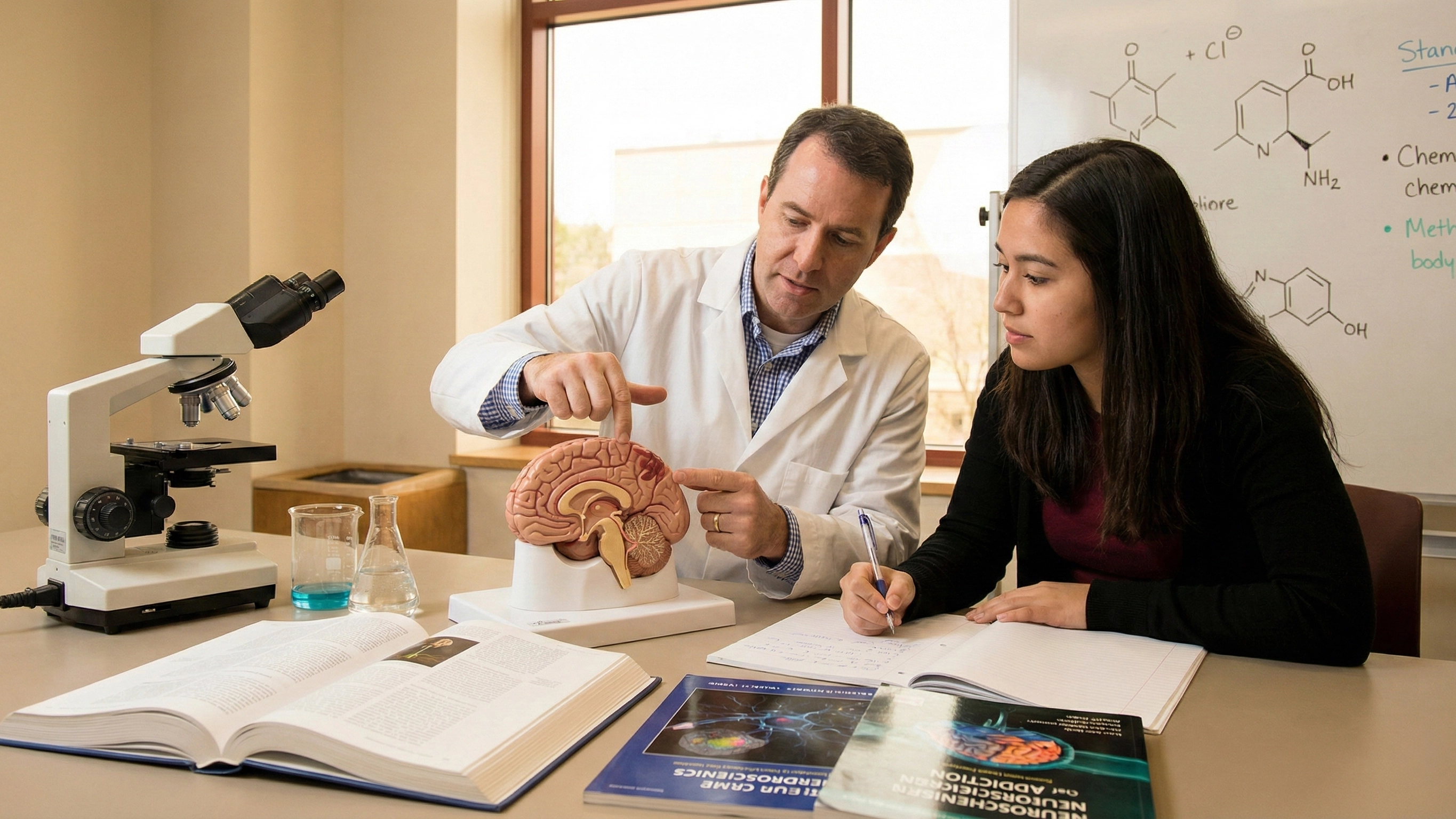
Why Willpower Is Not Always Enough: Understanding the Science Behind Addiction

Many people believe addiction can be overcome through determination alone. They assume that someone struggling with alcohol or drug use simply needs to make a stronger decision to stop. However, addiction is far more complex than a lack of self-control. Repeated substance use can change how the brain responds to pleasure, stress, motivation, and decision-making. These changes can make stopping extremely difficult, even when a person genuinely wants to recover. Understanding the science behind addiction helps explain why willpower is not always enough and why professional treatment can be essential for lasting change.

Addiction is a health condition influenced by biological, psychological, and environmental factors. It can affect people from different backgrounds, regardless of their intelligence, character, or personal values. Although individual choices remain important in recovery, effective treatment recognizes that people often need medical guidance, mental health support, practical coping strategies, and a reliable support system to overcome substance use problems.

How Addiction Changes the Brain

The brain plays a central role in how people experience pleasure, respond to stress, form habits, and make decisions. Alcohol and other drugs can interfere with these processes, particularly when substance use becomes repeated or compulsive.

Over time, the brain may adapt to the presence of a substance. As a result, a person may experience stronger cravings, reduced satisfaction from everyday activities, and difficulty controlling the urge to use.

The Role of the Brain’s Reward System

The brain has a reward system that helps reinforce behaviors essential for survival, including eating, social connection, and other enjoyable activities. Dopamine, a chemical messenger, plays an important role in motivation, learning, and reward.

Certain substances produce unusually strong effects on this system. They can cause rapid changes in dopamine signaling, reinforcing the connection between substance use and feelings of pleasure or relief.

With repeated exposure, the brain can adapt to these effects. Everyday experiences may become less rewarding in comparison, while reminders associated with substance use can trigger powerful urges.

This helps explain why someone may continue using substances even when they recognize the negative consequences. Their brain has learned to prioritize a behavior that once produced an intense reward.

Tolerance and Dependence

Two important concepts in addiction are tolerance and physical dependence.

Tolerance develops when the body becomes accustomed to a substance, meaning a person may need larger amounts to experience effects that were previously produced by smaller amounts.

Physical dependence occurs when the body adapts to repeated substance exposure and experiences withdrawal symptoms when use is reduced or stopped.

These experiences can make recovery more difficult. A person may continue using not only to experience pleasure but also to avoid uncomfortable or potentially dangerous withdrawal symptoms.

Dependence and addiction are related, but they are not identical. Someone can develop physical dependence on certain medications when taking them as prescribed. A professional assessment is necessary to understand the full situation.

Why Willpower Alone May Not Stop Substance Use

Willpower involves the ability to make decisions, resist impulses, and follow through with personal goals. It is an important part of recovery, but addiction can interfere with the brain functions that support these abilities.

When cravings become intense, the brain may place immediate relief above long-term priorities. This can create a conflict between what someone wants for their future and what they feel compelled to do in the moment.

Cravings Can Override Long-Term Goals

Cravings are not simply ordinary desires. They can involve powerful physical sensations, emotional discomfort, and persistent thoughts about using a substance.

Certain situations can trigger these responses, including:

  • Spending time with people associated with past substance use.
  • Visiting places where alcohol or drugs were previously used.
  • Experiencing stress, conflict, or emotional distress.
  • Feeling lonely, bored, anxious, or overwhelmed.
  • Encountering objects, sounds, or routines linked to substance use.

These triggers can activate learned associations in the brain. Even after a period of sobriety, familiar situations may produce strong urges.

Learning to recognize triggers and respond to them effectively is therefore an important part of addiction treatment.

Impaired Decision-Making and Self-Control

Repeated substance use can affect brain regions involved in planning, judgment, emotional regulation, and impulse control. These changes may make it harder to consider long-term consequences or pause before acting on an urge.

This does not mean that people with addiction cannot make decisions or take responsibility for their actions. Rather, it helps explain why relying on determination alone may not provide enough support.

Treatment can help individuals strengthen practical decision-making skills, recognize high-risk situations, and develop strategies for managing cravings before they become overwhelming.

The Connection Between Addiction and Mental Health

Addiction does not develop in isolation. Mental health concerns can influence substance use patterns, while repeated alcohol or drug use can contribute to emotional and psychological difficulties.

For many people, substance use begins as an attempt to manage feelings they do not know how to handle. Someone experiencing anxiety may drink to feel more relaxed. Another person dealing with depression or unresolved trauma may use drugs to temporarily escape emotional pain.

Unfortunately, temporary relief can create a cycle that becomes increasingly difficult to break.

Anxiety, Depression, and Emotional Distress

Anxiety and depression can affect sleep, concentration, motivation, relationships, and everyday functioning. When someone does not have effective coping strategies, substances may appear to offer a convenient way to manage these experiences.

However, alcohol and drugs can disrupt normal brain activity and worsen emotional symptoms over time. Withdrawal, sleep disturbances, and ongoing substance use may contribute to increased anxiety, irritability, or low mood.

This is why addiction treatment should consider mental health needs alongside substance use.

Trauma and Stress as Contributing Factors

Past trauma, family conflict, financial pressure, and chronic stress can also influence the development of substance use problems.

Some individuals use substances to avoid painful memories or reduce feelings of emotional distress. Others develop unhealthy coping patterns after prolonged exposure to difficult circumstances.

Professional counseling can help people understand these connections without placing blame. By addressing underlying emotional concerns, individuals can develop healthier responses to stress and reduce their reliance on substances.

Understanding the Difference Between Addiction and a Lack of Motivation

One common misconception is that people who struggle with addiction do not care enough about their health or relationships to stop using substances.

In reality, many individuals make repeated attempts to quit. They may promise themselves or their families that they will stop, only to return to substance use when cravings, stress, withdrawal symptoms, or familiar triggers become difficult to manage.

This cycle can create guilt and frustration. It can also damage self-confidence, making people believe that recovery is beyond their reach.

Why Shame Can Make Recovery More Difficult

Shame can discourage people from asking for help. They may hide their substance use, avoid medical appointments, or withdraw from supportive relationships because they fear being judged.

Unfortunately, isolation can make addiction more difficult to address. Without appropriate support, individuals may continue relying on the same behaviors that contribute to their struggles.

A healthier approach recognizes addiction as a treatable health condition. Accountability remains important, but it should be paired with practical support, professional guidance, and respect for the person’s circumstances.

Recovery becomes more achievable when individuals can discuss their challenges honestly and work toward meaningful changes without being defined by past mistakes.

How Professional Addiction Treatment Supports Brain and Behavioral Recovery

Because addiction affects several areas of a person’s life, treatment should address more than the immediate goal of stopping substance use.

Professional care can help individuals manage withdrawal risks, understand their triggers, address mental health concerns, and build healthier routines. Treatment also provides structure and guidance during periods when cravings or emotional difficulties may feel overwhelming.

Inpatient Treatment for Structured Care

Inpatient treatment provides a supervised environment where individuals can focus on recovery with fewer outside distractions.

Depending on the program and a person’s clinical needs, services may include:

  • Medical assessment and supervised withdrawal management.
  • Individual counseling and group therapy.
  • Mental health evaluation and treatment.
  • Education about addiction and brain function.
  • Coping strategies for cravings and emotional triggers.
  • Relapse prevention planning.

Inpatient care may be appropriate for individuals with significant substance use concerns, complex mental health needs, or withdrawal risks requiring close medical supervision.

Medical guidance is particularly important for substances such as alcohol and benzodiazepines, because withdrawal can sometimes cause serious complications.

Outpatient Treatment for Ongoing Support

Outpatient treatment allows individuals to receive professional care while continuing to live at home and maintain certain daily responsibilities.

Depending on the program, services may include scheduled therapy, group support, recovery education, and mental health treatment.

This option may be appropriate for people whose clinical needs and living environments allow them to participate safely without residential supervision.

The choice between inpatient and outpatient care should be based on a professional assessment rather than personal preference alone. In some cases, individuals may transition from inpatient care to outpatient services as their recovery progresses.

The Value of Individualized and Whole-Person Recovery

Every person experiences addiction differently. Substance use history, physical health, emotional needs, family relationships, and environmental pressures can all influence recovery.

For this reason, effective treatment should be individualized rather than based on a standard plan for everyone.

Holistic Approaches That Support Everyday Well-Being

Whole-person care recognizes that recovery involves physical, emotional, and psychological health. Evidence-based addiction treatment can be complemented by healthy daily habits and supportive wellness practices.

Depending on individual needs, these may include:

  • Regular physical activity to support general health.
  • Balanced nutrition and consistent sleep routines.
  • Mindfulness and relaxation exercises.
  • Stress management and emotional regulation skills.
  • Creative activities and personal development.
  • Healthy relationships and positive social connections.

These practices do not replace medical treatment or therapy. Instead, they help individuals establish routines that support stability and improve their ability to manage everyday challenges.

Faith-Based Support and Personal Values

For individuals who value spirituality, faith-based support can provide encouragement, purpose, and a sense of connection during recovery.

Prayer, reflection, spiritual counseling, and participation in a supportive faith community may help people reconnect with their values and develop a stronger sense of direction.

Faith-based care should respect individual beliefs and complement appropriate clinical treatment. The most effective approach is one that reflects the person’s needs, preferences, and recovery goals.

Practical Ways to Strengthen Recovery Beyond Willpower

Although willpower alone may not overcome addiction, individuals can develop skills and routines that make recovery more manageable.

These practical steps can help support progress:

Identify Personal Triggers

Understanding what increases the urge to use substances is an important starting point. Keeping a journal can help identify connections between cravings, emotions, people, places, and situations.

Once triggers become clearer, individuals can work with a counselor to create strategies for managing them.

Build a Reliable Support Network

Recovery can feel isolating without meaningful support. Connecting with trusted family members, recovery groups, counselors, or other supportive individuals can provide encouragement and accountability.

A reliable support network can also help someone recognize warning signs before a difficult situation becomes a crisis.

Develop Healthy Responses to Stress

Stress is a common relapse trigger. Learning practical techniques such as breathing exercises, physical activity, mindfulness, and structured problem-solving can reduce dependence on substances as a coping method.

Therapy can also help individuals understand emotional patterns and develop healthier responses to challenging experiences.

Create a Relapse Prevention Plan

Recovery does not always follow a straight path. A relapse prevention plan identifies personal warning signs, high-risk situations, supportive contacts, and steps to take when cravings become difficult to manage.

Having a plan can help individuals respond more effectively instead of feeling overwhelmed or giving up after a setback.

Recovery Is About More Than Trying Harder

The science behind addiction shows why willpower is not always enough. Repeated substance use can affect the brain’s reward system, decision-making processes, stress responses, and ability to regulate emotions. These changes help explain why stopping can be difficult, even for someone who genuinely wants to change.

However, addiction does not have to determine a person’s future. With appropriate treatment, mental health support, healthy routines, and a reliable recovery network, individuals can develop the skills needed to move forward.

At Paracuaro, understanding addiction is an important step toward recognizing the value of individualized recovery support. Whether someone may benefit from inpatient treatment, outpatient care, mental health services, holistic practices, or faith-based guidance, the right starting point is a professional assessment of their needs.

If you or someone you care about is struggling with substance use, do not assume that trying harder is the only answer. Reach out to a qualified addiction treatment professional to discuss available options. With the right guidance and consistent support, recovery can become a realistic and achievable goal.

The Hidden Signs of Substance Use Problems: When Everyday Habits Become a Concern

Substance use problems do not always begin with dramatic changes or obvious consequences. In many cases, they develop gradually through everyday habits that seem harmless at first. A person may start drinking more often to manage stress, rely on prescription medication to get through the day, or use drugs as a way to escape difficult emotions. Over time, these patterns can become harder to control and begin affecting physical health, relationships, work, and emotional well-being. Recognizing the hidden signs of substance use problems early can make a meaningful difference, helping individuals seek support before the consequences become more serious.

Understanding these warning signs is important because addiction does not look the same for everyone. Some people continue meeting their daily responsibilities while privately struggling with cravings, secrecy, or increasing dependence. Others experience noticeable changes in mood, behavior, and relationships. In either situation, early awareness can open the door to effective addiction treatment and long-term recovery.

What Are the Hidden Signs of Substance Use Problems?

Substance use concerns are not always easy to identify. A person may not experience immediate health problems or major disruptions to their routine. However, certain behavioral, emotional, and physical changes can indicate that substance use is becoming difficult to manage.

The key is to look at patterns rather than isolated incidents. An occasional change in mood or an unusually stressful week does not automatically indicate addiction. However, repeated behaviors that revolve around obtaining, using, or recovering from a substance deserve attention.

Increasing Reliance on Alcohol or Drugs

One of the earliest warning signs is relying on a substance to manage ordinary situations. Someone might drink to relax after work, take medication to sleep every night, or use drugs to feel confident in social settings.

As this pattern develops, the person may begin believing they cannot handle certain emotions or activities without the substance. What started as an occasional choice can gradually become an expected part of everyday life.

Changes in Daily Routines

Substance use can quietly influence how someone organizes their day. They may begin planning activities around drinking or drug use, making excuses to leave social events, or adjusting responsibilities to accommodate their habits.

Other changes may include:

  • Frequently missing appointments or arriving late.
  • Losing interest in hobbies and activities.
  • Spending more time alone.
  • Changing social circles to spend time with people who use substances.
  • Prioritizing substance use over personal responsibilities.

These changes may seem unrelated at first. However, when several occur together, they can suggest that substance use is taking an increasingly important role in someone’s life.

Secrecy and Defensiveness

People experiencing substance use problems may become more private about their activities. They might hide alcohol, conceal medication use, lie about how much they consume, or become defensive when family members ask questions.

Secrecy can develop because of shame, fear of judgment, or concern about losing access to a substance. Although these behaviors do not prove addiction, they can indicate that the person feels uncomfortable or conflicted about their habits.

Emotional and Mental Health Warning Signs

Substance use affects more than physical health. It can also influence mood, thinking patterns, emotional regulation, and relationships. In some cases, mental health difficulties contribute to substance use. In others, repeated substance use makes existing psychological symptoms worse.

Recognizing this connection is an important part of identifying a possible problem.

Mood Swings, Anxiety, and Irritability

Frequent mood changes may be associated with increasing substance use. A person might become unusually irritable when they cannot access alcohol or drugs, experience anxiety between periods of use, or have difficulty managing everyday frustrations.

Some substances can also affect sleep, concentration, and emotional stability. Withdrawal symptoms may contribute to restlessness, agitation, low mood, and other uncomfortable experiences.

If these changes become persistent, a professional assessment can help determine whether substance use, an underlying mental health concern, or both are contributing to the situation.

Using Substances to Cope With Difficult Emotions

Another important warning sign is using alcohol or drugs to avoid emotional discomfort. Someone experiencing grief, relationship difficulties, work pressure, anxiety, or depression may begin relying on substances for temporary relief.

Although substance use may appear to reduce distress in the short term, it does not resolve the underlying issue. Over time, it can create additional problems, including stronger cravings, emotional instability, and greater difficulty coping without substances.

Professional mental health treatment can help individuals identify these patterns and develop healthier ways to respond to stress.

Losing Interest in Previously Enjoyed Activities

A person may gradually withdraw from activities that once brought satisfaction. Hobbies, friendships, family gatherings, exercise, and personal goals may become less important as substance use takes priority.

This loss of interest can also be associated with depression and other mental health conditions. Therefore, it is important not to make assumptions based on one behavior alone. A qualified professional can help identify the underlying causes.

Physical Changes That May Indicate a Problem

The physical effects of substance use depend on the substance, frequency of use, individual health, and other factors. Some warning signs are noticeable, while others may be more subtle.

Potential indicators include:

  • Changes in sleeping or eating habits.
  • Unexplained weight loss or weight gain.
  • Persistent fatigue or low energy.
  • Bloodshot eyes or changes in appearance.
  • Frequent headaches or digestive problems.
  • Poor coordination or difficulty concentrating.
  • Neglecting personal hygiene and general health.

Prescription medication misuse can also be difficult to recognize. Because medications may have legitimate medical purposes, individuals and family members sometimes overlook signs of dependence. Taking medication more frequently or in higher amounts than prescribed, using someone else’s prescription, or feeling unable to function without a medication should be discussed with a healthcare professional.

Importantly, some substances can cause dangerous withdrawal symptoms. Anyone who may be physically dependent on alcohol, benzodiazepines, or other substances should seek medical guidance before attempting to stop suddenly.

How Substance Use Problems Affect Relationships and Responsibilities

Addiction rarely affects only the individual using substances. Its effects can extend to family members, friends, colleagues, and other people who depend on that person.

At home, repeated arguments, broken promises, financial difficulties, and emotional distance may become more common. Family members might feel confused because the person appears to be functioning normally in certain situations but struggles to maintain consistency in others.

At work or school, substance use may contribute to reduced concentration, missed deadlines, poor performance, or unexplained absences.

Recognizing the Difference Between Occasional Use and a Growing Problem

Not every instance of substance use indicates a substance use disorder. However, certain patterns suggest that professional support may be needed.

Consider whether the person:

  • Has tried to reduce or stop using but has been unsuccessful.
  • Experiences strong cravings or persistent thoughts about using.
  • Continues using despite relationship, health, or financial consequences.
  • Needs increasing amounts to experience the same effects.
  • Spends significant time obtaining substances or recovering afterward.
  • Gives up important activities because of substance use.

These patterns are worth discussing with a qualified healthcare provider. A professional assessment can help determine the severity of the problem and identify suitable treatment options.

Why Early Intervention Matters

Recognizing substance use problems early creates an opportunity to address concerns before they become more difficult to manage. Early intervention can help individuals understand their relationship with substances, identify contributing factors, and access appropriate treatment.

It can also reduce the risk of complications involving physical health, mental health, employment, finances, and family relationships.

Understanding the Connection Between Addiction and Mental Health

Mental health and substance use frequently overlap. Anxiety, depression, trauma, chronic stress, and other psychological concerns can influence a person’s risk of developing unhealthy substance use patterns.

At the same time, repeated substance use can worsen emotional symptoms and interfere with the brain systems involved in mood, motivation, and decision-making.

For this reason, effective treatment should consider both substance use and mental health. Addressing only one concern may leave important triggers or underlying difficulties unresolved.

Integrated care can include individual therapy, mental health assessments, medication management when appropriate, and strategies for developing healthier coping skills.

Choosing the Right Addiction Treatment Approach

There is no single treatment plan that works for everyone. The appropriate level of care depends on the person’s substance use history, physical health, mental health needs, withdrawal risks, living environment, and recovery goals.

A professional assessment can help determine whether inpatient or outpatient treatment is the most suitable starting point.

Inpatient Treatment for Structured Support

Inpatient treatment provides a structured setting where individuals can focus on recovery away from many of the pressures and triggers associated with everyday life.

Depending on the program, services may include medically supervised withdrawal management, individual counseling, group therapy, mental health support, and relapse prevention planning.

This level of care may be appropriate for people with significant substance use concerns, complex mental health needs, or withdrawal risks that require close medical supervision.

Outpatient Treatment for Continued Daily Responsibilities

Outpatient treatment allows individuals to receive professional support while continuing to live at home and maintain certain work, family, or educational responsibilities.

Services may include scheduled therapy sessions, recovery education, group counseling, and ongoing mental health care.

Outpatient treatment can be suitable for people whose clinical needs and home environments allow them to participate safely without residential supervision. However, the right level of care should always be determined through professional assessment.

The Role of Individualized and Whole-Person Care

Lasting recovery involves more than simply stopping substance use. Individuals also need practical tools to manage stress, address emotional concerns, rebuild relationships, and establish healthier routines.

An individualized treatment plan considers the circumstances behind each person’s substance use. This may include previous treatment experiences, trauma history, physical health, family relationships, personal strengths, and long-term goals.

Holistic Approaches and Healthy Daily Habits

Whole-person approaches can complement evidence-based addiction treatment by supporting physical, emotional, and psychological well-being.

Depending on individual needs and available services, these approaches may include:

  • Mindfulness and stress management exercises.
  • Regular physical activity and healthy sleep routines.
  • Nutrition education and general wellness support.
  • Creative activities and personal development.
  • Strategies for managing cravings and emotional triggers.
  • Building positive relationships and reliable support networks.

These practices are not substitutes for medical care or professional addiction treatment. Instead, they can provide additional tools that help individuals maintain stability and strengthen their recovery.

Faith-Based Support and Personal Values

For individuals who find meaning in spirituality, faith-based support may also be a valuable part of recovery. Spiritual guidance, prayer, reflection, and participation in a supportive faith community can help reinforce personal values and provide a sense of connection.

This type of support should respect individual beliefs and remain consistent with each person’s treatment needs. Recovery should be built around the individual, not forced into a single approach.

How to Approach Someone You Are Worried About

Recognizing hidden signs of substance use can be difficult, especially when the person denies having a problem. Family members and friends may feel frustrated or unsure how to begin a conversation.

A calm, private discussion is often a better starting point than confrontation. Focus on specific changes you have noticed rather than making accusations or applying labels.

For example, you might explain that you are concerned about missed responsibilities, changes in mood, or increased reliance on alcohol or medication. Listen to the person’s response and give them an opportunity to speak honestly.

Avoid making threats or trying to manage the problem alone. Instead, encourage a conversation with a qualified healthcare provider or addiction treatment professional.

If the person is not ready to seek help, maintaining healthy boundaries and accessing support for yourself can still make a difference.

If someone is unresponsive, experiencing a seizure, having difficulty breathing, or showing signs of a medical emergency, seek emergency medical assistance immediately.

Take Early Warning Signs Seriously and Seek Support

The hidden signs of substance use problems can be easy to overlook, particularly when someone continues to meet everyday responsibilities. However, increased reliance on alcohol or drugs, emotional changes, secrecy, declining health, and strained relationships can all indicate that something needs attention.

Recognizing these patterns does not mean judging someone or assuming the worst. It means taking changes seriously and understanding that professional support is available.

At Paracuaro, learning about addiction, mental health, and treatment options is an important step toward making informed decisions about recovery. Whether someone may benefit from inpatient care, outpatient services, mental health treatment, or additional whole-person support, the next step should be based on their individual circumstances.

If substance use is beginning to interfere with your health, relationships, or daily life, consider speaking with a qualified addiction treatment professional. Early guidance can help clarify what is happening, identify appropriate care, and establish a practical plan for moving toward a healthier future.