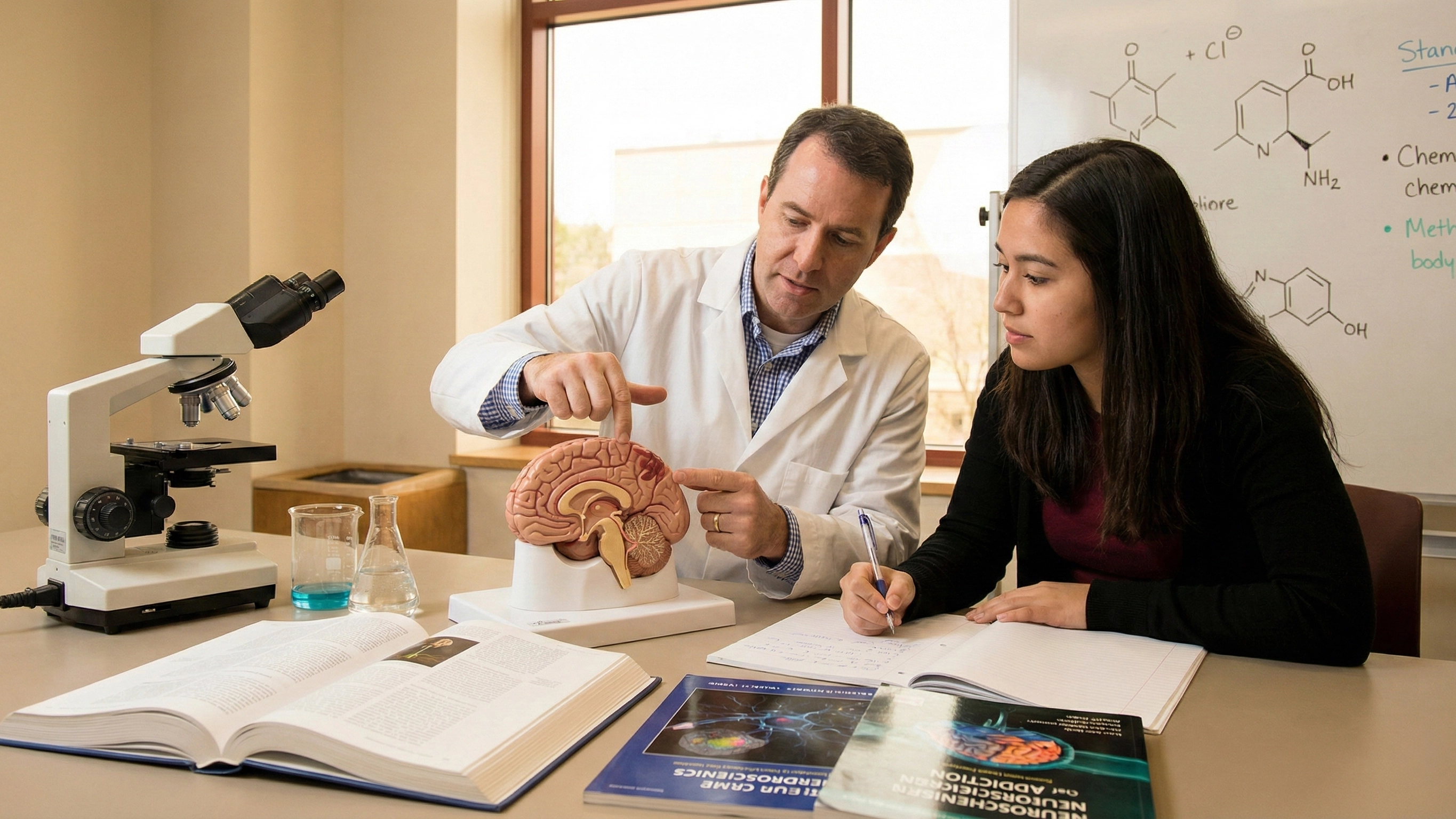
Why Willpower Is Not Always Enough: Understanding the Science Behind Addiction

Many people believe addiction can be overcome through determination alone. They assume that someone struggling with alcohol or drug use simply needs to make a stronger decision to stop. However, addiction is far more complex than a lack of self-control. Repeated substance use can change how the brain responds to pleasure, stress, motivation, and decision-making. These changes can make stopping extremely difficult, even when a person genuinely wants to recover. Understanding the science behind addiction helps explain why willpower is not always enough and why professional treatment can be essential for lasting change.

Addiction is a health condition influenced by biological, psychological, and environmental factors. It can affect people from different backgrounds, regardless of their intelligence, character, or personal values. Although individual choices remain important in recovery, effective treatment recognizes that people often need medical guidance, mental health support, practical coping strategies, and a reliable support system to overcome substance use problems.

How Addiction Changes the Brain

The brain plays a central role in how people experience pleasure, respond to stress, form habits, and make decisions. Alcohol and other drugs can interfere with these processes, particularly when substance use becomes repeated or compulsive.

Over time, the brain may adapt to the presence of a substance. As a result, a person may experience stronger cravings, reduced satisfaction from everyday activities, and difficulty controlling the urge to use.

The Role of the Brain’s Reward System

The brain has a reward system that helps reinforce behaviors essential for survival, including eating, social connection, and other enjoyable activities. Dopamine, a chemical messenger, plays an important role in motivation, learning, and reward.

Certain substances produce unusually strong effects on this system. They can cause rapid changes in dopamine signaling, reinforcing the connection between substance use and feelings of pleasure or relief.

With repeated exposure, the brain can adapt to these effects. Everyday experiences may become less rewarding in comparison, while reminders associated with substance use can trigger powerful urges.

This helps explain why someone may continue using substances even when they recognize the negative consequences. Their brain has learned to prioritize a behavior that once produced an intense reward.

Tolerance and Dependence

Two important concepts in addiction are tolerance and physical dependence.

Tolerance develops when the body becomes accustomed to a substance, meaning a person may need larger amounts to experience effects that were previously produced by smaller amounts.

Physical dependence occurs when the body adapts to repeated substance exposure and experiences withdrawal symptoms when use is reduced or stopped.

These experiences can make recovery more difficult. A person may continue using not only to experience pleasure but also to avoid uncomfortable or potentially dangerous withdrawal symptoms.

Dependence and addiction are related, but they are not identical. Someone can develop physical dependence on certain medications when taking them as prescribed. A professional assessment is necessary to understand the full situation.

Why Willpower Alone May Not Stop Substance Use

Willpower involves the ability to make decisions, resist impulses, and follow through with personal goals. It is an important part of recovery, but addiction can interfere with the brain functions that support these abilities.

When cravings become intense, the brain may place immediate relief above long-term priorities. This can create a conflict between what someone wants for their future and what they feel compelled to do in the moment.

Cravings Can Override Long-Term Goals

Cravings are not simply ordinary desires. They can involve powerful physical sensations, emotional discomfort, and persistent thoughts about using a substance.

Certain situations can trigger these responses, including:

  • Spending time with people associated with past substance use.
  • Visiting places where alcohol or drugs were previously used.
  • Experiencing stress, conflict, or emotional distress.
  • Feeling lonely, bored, anxious, or overwhelmed.
  • Encountering objects, sounds, or routines linked to substance use.

These triggers can activate learned associations in the brain. Even after a period of sobriety, familiar situations may produce strong urges.

Learning to recognize triggers and respond to them effectively is therefore an important part of addiction treatment.

Impaired Decision-Making and Self-Control

Repeated substance use can affect brain regions involved in planning, judgment, emotional regulation, and impulse control. These changes may make it harder to consider long-term consequences or pause before acting on an urge.

This does not mean that people with addiction cannot make decisions or take responsibility for their actions. Rather, it helps explain why relying on determination alone may not provide enough support.

Treatment can help individuals strengthen practical decision-making skills, recognize high-risk situations, and develop strategies for managing cravings before they become overwhelming.

The Connection Between Addiction and Mental Health

Addiction does not develop in isolation. Mental health concerns can influence substance use patterns, while repeated alcohol or drug use can contribute to emotional and psychological difficulties.

For many people, substance use begins as an attempt to manage feelings they do not know how to handle. Someone experiencing anxiety may drink to feel more relaxed. Another person dealing with depression or unresolved trauma may use drugs to temporarily escape emotional pain.

Unfortunately, temporary relief can create a cycle that becomes increasingly difficult to break.

Anxiety, Depression, and Emotional Distress

Anxiety and depression can affect sleep, concentration, motivation, relationships, and everyday functioning. When someone does not have effective coping strategies, substances may appear to offer a convenient way to manage these experiences.

However, alcohol and drugs can disrupt normal brain activity and worsen emotional symptoms over time. Withdrawal, sleep disturbances, and ongoing substance use may contribute to increased anxiety, irritability, or low mood.

This is why addiction treatment should consider mental health needs alongside substance use.

Trauma and Stress as Contributing Factors

Past trauma, family conflict, financial pressure, and chronic stress can also influence the development of substance use problems.

Some individuals use substances to avoid painful memories or reduce feelings of emotional distress. Others develop unhealthy coping patterns after prolonged exposure to difficult circumstances.

Professional counseling can help people understand these connections without placing blame. By addressing underlying emotional concerns, individuals can develop healthier responses to stress and reduce their reliance on substances.

Understanding the Difference Between Addiction and a Lack of Motivation

One common misconception is that people who struggle with addiction do not care enough about their health or relationships to stop using substances.

In reality, many individuals make repeated attempts to quit. They may promise themselves or their families that they will stop, only to return to substance use when cravings, stress, withdrawal symptoms, or familiar triggers become difficult to manage.

This cycle can create guilt and frustration. It can also damage self-confidence, making people believe that recovery is beyond their reach.

Why Shame Can Make Recovery More Difficult

Shame can discourage people from asking for help. They may hide their substance use, avoid medical appointments, or withdraw from supportive relationships because they fear being judged.

Unfortunately, isolation can make addiction more difficult to address. Without appropriate support, individuals may continue relying on the same behaviors that contribute to their struggles.

A healthier approach recognizes addiction as a treatable health condition. Accountability remains important, but it should be paired with practical support, professional guidance, and respect for the person’s circumstances.

Recovery becomes more achievable when individuals can discuss their challenges honestly and work toward meaningful changes without being defined by past mistakes.

How Professional Addiction Treatment Supports Brain and Behavioral Recovery

Because addiction affects several areas of a person’s life, treatment should address more than the immediate goal of stopping substance use.

Professional care can help individuals manage withdrawal risks, understand their triggers, address mental health concerns, and build healthier routines. Treatment also provides structure and guidance during periods when cravings or emotional difficulties may feel overwhelming.

Inpatient Treatment for Structured Care

Inpatient treatment provides a supervised environment where individuals can focus on recovery with fewer outside distractions.

Depending on the program and a person’s clinical needs, services may include:

  • Medical assessment and supervised withdrawal management.
  • Individual counseling and group therapy.
  • Mental health evaluation and treatment.
  • Education about addiction and brain function.
  • Coping strategies for cravings and emotional triggers.
  • Relapse prevention planning.

Inpatient care may be appropriate for individuals with significant substance use concerns, complex mental health needs, or withdrawal risks requiring close medical supervision.

Medical guidance is particularly important for substances such as alcohol and benzodiazepines, because withdrawal can sometimes cause serious complications.

Outpatient Treatment for Ongoing Support

Outpatient treatment allows individuals to receive professional care while continuing to live at home and maintain certain daily responsibilities.

Depending on the program, services may include scheduled therapy, group support, recovery education, and mental health treatment.

This option may be appropriate for people whose clinical needs and living environments allow them to participate safely without residential supervision.

The choice between inpatient and outpatient care should be based on a professional assessment rather than personal preference alone. In some cases, individuals may transition from inpatient care to outpatient services as their recovery progresses.

The Value of Individualized and Whole-Person Recovery

Every person experiences addiction differently. Substance use history, physical health, emotional needs, family relationships, and environmental pressures can all influence recovery.

For this reason, effective treatment should be individualized rather than based on a standard plan for everyone.

Holistic Approaches That Support Everyday Well-Being

Whole-person care recognizes that recovery involves physical, emotional, and psychological health. Evidence-based addiction treatment can be complemented by healthy daily habits and supportive wellness practices.

Depending on individual needs, these may include:

  • Regular physical activity to support general health.
  • Balanced nutrition and consistent sleep routines.
  • Mindfulness and relaxation exercises.
  • Stress management and emotional regulation skills.
  • Creative activities and personal development.
  • Healthy relationships and positive social connections.

These practices do not replace medical treatment or therapy. Instead, they help individuals establish routines that support stability and improve their ability to manage everyday challenges.

Faith-Based Support and Personal Values

For individuals who value spirituality, faith-based support can provide encouragement, purpose, and a sense of connection during recovery.

Prayer, reflection, spiritual counseling, and participation in a supportive faith community may help people reconnect with their values and develop a stronger sense of direction.

Faith-based care should respect individual beliefs and complement appropriate clinical treatment. The most effective approach is one that reflects the person’s needs, preferences, and recovery goals.

Practical Ways to Strengthen Recovery Beyond Willpower

Although willpower alone may not overcome addiction, individuals can develop skills and routines that make recovery more manageable.

These practical steps can help support progress:

Identify Personal Triggers

Understanding what increases the urge to use substances is an important starting point. Keeping a journal can help identify connections between cravings, emotions, people, places, and situations.

Once triggers become clearer, individuals can work with a counselor to create strategies for managing them.

Build a Reliable Support Network

Recovery can feel isolating without meaningful support. Connecting with trusted family members, recovery groups, counselors, or other supportive individuals can provide encouragement and accountability.

A reliable support network can also help someone recognize warning signs before a difficult situation becomes a crisis.

Develop Healthy Responses to Stress

Stress is a common relapse trigger. Learning practical techniques such as breathing exercises, physical activity, mindfulness, and structured problem-solving can reduce dependence on substances as a coping method.

Therapy can also help individuals understand emotional patterns and develop healthier responses to challenging experiences.

Create a Relapse Prevention Plan

Recovery does not always follow a straight path. A relapse prevention plan identifies personal warning signs, high-risk situations, supportive contacts, and steps to take when cravings become difficult to manage.

Having a plan can help individuals respond more effectively instead of feeling overwhelmed or giving up after a setback.

Recovery Is About More Than Trying Harder

The science behind addiction shows why willpower is not always enough. Repeated substance use can affect the brain’s reward system, decision-making processes, stress responses, and ability to regulate emotions. These changes help explain why stopping can be difficult, even for someone who genuinely wants to change.

However, addiction does not have to determine a person’s future. With appropriate treatment, mental health support, healthy routines, and a reliable recovery network, individuals can develop the skills needed to move forward.

At Paracuaro, understanding addiction is an important step toward recognizing the value of individualized recovery support. Whether someone may benefit from inpatient treatment, outpatient care, mental health services, holistic practices, or faith-based guidance, the right starting point is a professional assessment of their needs.

If you or someone you care about is struggling with substance use, do not assume that trying harder is the only answer. Reach out to a qualified addiction treatment professional to discuss available options. With the right guidance and consistent support, recovery can become a realistic and achievable goal.

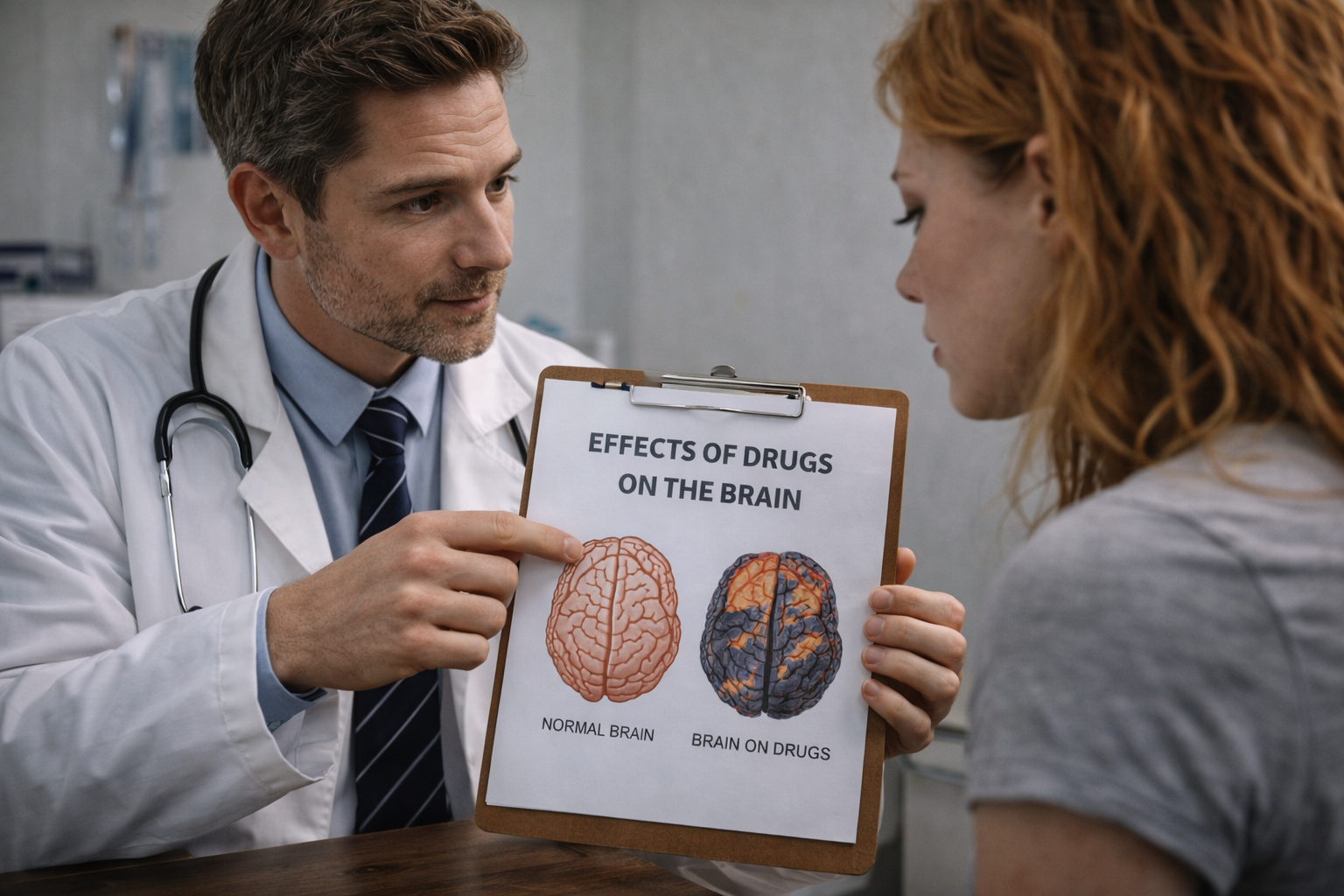
The Hidden Signs of Substance Use Problems: When Everyday Habits Become a Concern

Substance use problems do not always begin with dramatic changes or obvious consequences. In many cases, they develop gradually through everyday habits that seem harmless at first. A person may start drinking more often to manage stress, rely on prescription medication to get through the day, or use drugs as a way to escape difficult emotions. Over time, these patterns can become harder to control and begin affecting physical health, relationships, work, and emotional well-being. Recognizing the hidden signs of substance use problems early can make a meaningful difference, helping individuals seek support before the consequences become more serious.

Understanding these warning signs is important because addiction does not look the same for everyone. Some people continue meeting their daily responsibilities while privately struggling with cravings, secrecy, or increasing dependence. Others experience noticeable changes in mood, behavior, and relationships. In either situation, early awareness can open the door to effective addiction treatment and long-term recovery.

What Are the Hidden Signs of Substance Use Problems?

Substance use concerns are not always easy to identify. A person may not experience immediate health problems or major disruptions to their routine. However, certain behavioral, emotional, and physical changes can indicate that substance use is becoming difficult to manage.

The key is to look at patterns rather than isolated incidents. An occasional change in mood or an unusually stressful week does not automatically indicate addiction. However, repeated behaviors that revolve around obtaining, using, or recovering from a substance deserve attention.

Increasing Reliance on Alcohol or Drugs

One of the earliest warning signs is relying on a substance to manage ordinary situations. Someone might drink to relax after work, take medication to sleep every night, or use drugs to feel confident in social settings.

As this pattern develops, the person may begin believing they cannot handle certain emotions or activities without the substance. What started as an occasional choice can gradually become an expected part of everyday life.

Changes in Daily Routines

Substance use can quietly influence how someone organizes their day. They may begin planning activities around drinking or drug use, making excuses to leave social events, or adjusting responsibilities to accommodate their habits.

Other changes may include:

  • Frequently missing appointments or arriving late.
  • Losing interest in hobbies and activities.
  • Spending more time alone.
  • Changing social circles to spend time with people who use substances.
  • Prioritizing substance use over personal responsibilities.

These changes may seem unrelated at first. However, when several occur together, they can suggest that substance use is taking an increasingly important role in someone’s life.

Secrecy and Defensiveness

People experiencing substance use problems may become more private about their activities. They might hide alcohol, conceal medication use, lie about how much they consume, or become defensive when family members ask questions.

Secrecy can develop because of shame, fear of judgment, or concern about losing access to a substance. Although these behaviors do not prove addiction, they can indicate that the person feels uncomfortable or conflicted about their habits.

Emotional and Mental Health Warning Signs

Substance use affects more than physical health. It can also influence mood, thinking patterns, emotional regulation, and relationships. In some cases, mental health difficulties contribute to substance use. In others, repeated substance use makes existing psychological symptoms worse.

Recognizing this connection is an important part of identifying a possible problem.

Mood Swings, Anxiety, and Irritability

Frequent mood changes may be associated with increasing substance use. A person might become unusually irritable when they cannot access alcohol or drugs, experience anxiety between periods of use, or have difficulty managing everyday frustrations.

Some substances can also affect sleep, concentration, and emotional stability. Withdrawal symptoms may contribute to restlessness, agitation, low mood, and other uncomfortable experiences.

If these changes become persistent, a professional assessment can help determine whether substance use, an underlying mental health concern, or both are contributing to the situation.

Using Substances to Cope With Difficult Emotions

Another important warning sign is using alcohol or drugs to avoid emotional discomfort. Someone experiencing grief, relationship difficulties, work pressure, anxiety, or depression may begin relying on substances for temporary relief.

Although substance use may appear to reduce distress in the short term, it does not resolve the underlying issue. Over time, it can create additional problems, including stronger cravings, emotional instability, and greater difficulty coping without substances.

Professional mental health treatment can help individuals identify these patterns and develop healthier ways to respond to stress.

Losing Interest in Previously Enjoyed Activities

A person may gradually withdraw from activities that once brought satisfaction. Hobbies, friendships, family gatherings, exercise, and personal goals may become less important as substance use takes priority.

This loss of interest can also be associated with depression and other mental health conditions. Therefore, it is important not to make assumptions based on one behavior alone. A qualified professional can help identify the underlying causes.

Physical Changes That May Indicate a Problem

The physical effects of substance use depend on the substance, frequency of use, individual health, and other factors. Some warning signs are noticeable, while others may be more subtle.

Potential indicators include:

  • Changes in sleeping or eating habits.
  • Unexplained weight loss or weight gain.
  • Persistent fatigue or low energy.
  • Bloodshot eyes or changes in appearance.
  • Frequent headaches or digestive problems.
  • Poor coordination or difficulty concentrating.
  • Neglecting personal hygiene and general health.

Prescription medication misuse can also be difficult to recognize. Because medications may have legitimate medical purposes, individuals and family members sometimes overlook signs of dependence. Taking medication more frequently or in higher amounts than prescribed, using someone else’s prescription, or feeling unable to function without a medication should be discussed with a healthcare professional.

Importantly, some substances can cause dangerous withdrawal symptoms. Anyone who may be physically dependent on alcohol, benzodiazepines, or other substances should seek medical guidance before attempting to stop suddenly.

How Substance Use Problems Affect Relationships and Responsibilities

Addiction rarely affects only the individual using substances. Its effects can extend to family members, friends, colleagues, and other people who depend on that person.

At home, repeated arguments, broken promises, financial difficulties, and emotional distance may become more common. Family members might feel confused because the person appears to be functioning normally in certain situations but struggles to maintain consistency in others.

At work or school, substance use may contribute to reduced concentration, missed deadlines, poor performance, or unexplained absences.

Recognizing the Difference Between Occasional Use and a Growing Problem

Not every instance of substance use indicates a substance use disorder. However, certain patterns suggest that professional support may be needed.

Consider whether the person:

  • Has tried to reduce or stop using but has been unsuccessful.
  • Experiences strong cravings or persistent thoughts about using.
  • Continues using despite relationship, health, or financial consequences.
  • Needs increasing amounts to experience the same effects.
  • Spends significant time obtaining substances or recovering afterward.
  • Gives up important activities because of substance use.

These patterns are worth discussing with a qualified healthcare provider. A professional assessment can help determine the severity of the problem and identify suitable treatment options.

Why Early Intervention Matters

Recognizing substance use problems early creates an opportunity to address concerns before they become more difficult to manage. Early intervention can help individuals understand their relationship with substances, identify contributing factors, and access appropriate treatment.

It can also reduce the risk of complications involving physical health, mental health, employment, finances, and family relationships.

Understanding the Connection Between Addiction and Mental Health

Mental health and substance use frequently overlap. Anxiety, depression, trauma, chronic stress, and other psychological concerns can influence a person’s risk of developing unhealthy substance use patterns.

At the same time, repeated substance use can worsen emotional symptoms and interfere with the brain systems involved in mood, motivation, and decision-making.

For this reason, effective treatment should consider both substance use and mental health. Addressing only one concern may leave important triggers or underlying difficulties unresolved.

Integrated care can include individual therapy, mental health assessments, medication management when appropriate, and strategies for developing healthier coping skills.

Choosing the Right Addiction Treatment Approach

There is no single treatment plan that works for everyone. The appropriate level of care depends on the person’s substance use history, physical health, mental health needs, withdrawal risks, living environment, and recovery goals.

A professional assessment can help determine whether inpatient or outpatient treatment is the most suitable starting point.

Inpatient Treatment for Structured Support

Inpatient treatment provides a structured setting where individuals can focus on recovery away from many of the pressures and triggers associated with everyday life.

Depending on the program, services may include medically supervised withdrawal management, individual counseling, group therapy, mental health support, and relapse prevention planning.

This level of care may be appropriate for people with significant substance use concerns, complex mental health needs, or withdrawal risks that require close medical supervision.

Outpatient Treatment for Continued Daily Responsibilities

Outpatient treatment allows individuals to receive professional support while continuing to live at home and maintain certain work, family, or educational responsibilities.

Services may include scheduled therapy sessions, recovery education, group counseling, and ongoing mental health care.

Outpatient treatment can be suitable for people whose clinical needs and home environments allow them to participate safely without residential supervision. However, the right level of care should always be determined through professional assessment.

The Role of Individualized and Whole-Person Care

Lasting recovery involves more than simply stopping substance use. Individuals also need practical tools to manage stress, address emotional concerns, rebuild relationships, and establish healthier routines.

An individualized treatment plan considers the circumstances behind each person’s substance use. This may include previous treatment experiences, trauma history, physical health, family relationships, personal strengths, and long-term goals.

Holistic Approaches and Healthy Daily Habits

Whole-person approaches can complement evidence-based addiction treatment by supporting physical, emotional, and psychological well-being.

Depending on individual needs and available services, these approaches may include:

  • Mindfulness and stress management exercises.
  • Regular physical activity and healthy sleep routines.
  • Nutrition education and general wellness support.
  • Creative activities and personal development.
  • Strategies for managing cravings and emotional triggers.
  • Building positive relationships and reliable support networks.

These practices are not substitutes for medical care or professional addiction treatment. Instead, they can provide additional tools that help individuals maintain stability and strengthen their recovery.

Faith-Based Support and Personal Values

For individuals who find meaning in spirituality, faith-based support may also be a valuable part of recovery. Spiritual guidance, prayer, reflection, and participation in a supportive faith community can help reinforce personal values and provide a sense of connection.

This type of support should respect individual beliefs and remain consistent with each person’s treatment needs. Recovery should be built around the individual, not forced into a single approach.

How to Approach Someone You Are Worried About

Recognizing hidden signs of substance use can be difficult, especially when the person denies having a problem. Family members and friends may feel frustrated or unsure how to begin a conversation.

A calm, private discussion is often a better starting point than confrontation. Focus on specific changes you have noticed rather than making accusations or applying labels.

For example, you might explain that you are concerned about missed responsibilities, changes in mood, or increased reliance on alcohol or medication. Listen to the person’s response and give them an opportunity to speak honestly.

Avoid making threats or trying to manage the problem alone. Instead, encourage a conversation with a qualified healthcare provider or addiction treatment professional.

If the person is not ready to seek help, maintaining healthy boundaries and accessing support for yourself can still make a difference.

If someone is unresponsive, experiencing a seizure, having difficulty breathing, or showing signs of a medical emergency, seek emergency medical assistance immediately.

Take Early Warning Signs Seriously and Seek Support

The hidden signs of substance use problems can be easy to overlook, particularly when someone continues to meet everyday responsibilities. However, increased reliance on alcohol or drugs, emotional changes, secrecy, declining health, and strained relationships can all indicate that something needs attention.

Recognizing these patterns does not mean judging someone or assuming the worst. It means taking changes seriously and understanding that professional support is available.

At Paracuaro, learning about addiction, mental health, and treatment options is an important step toward making informed decisions about recovery. Whether someone may benefit from inpatient care, outpatient services, mental health treatment, or additional whole-person support, the next step should be based on their individual circumstances.

If substance use is beginning to interfere with your health, relationships, or daily life, consider speaking with a qualified addiction treatment professional. Early guidance can help clarify what is happening, identify appropriate care, and establish a practical plan for moving toward a healthier future.

Can Addiction Change the Way You Think? Understanding Its Effects on the Brain and Behavior

Addiction can change the way a person thinks, makes decisions, handles emotions, and responds to everyday challenges. What may begin as occasional substance use can gradually become a pattern that feels difficult to control, even when it causes problems with health, relationships, or work. These changes are not simply a matter of willpower. Addiction can affect the brain systems responsible for reward, motivation, learning, and self-control. Understanding how these changes happen can help individuals and families recognize the need for support and take meaningful steps toward recovery.

At Paracuaro, addiction information and recovery support begin with understanding the whole person. Substance use can affect physical health, emotional well-being, and daily life in different ways. With appropriate addiction treatment, individuals can learn to recognize harmful patterns, address underlying mental health concerns, and develop healthier ways to manage stress. Recovery takes time, but understanding addiction is an important first step toward lasting change.

How Addiction Changes the Brain

The brain helps regulate emotions, guide decisions, and motivate behaviors that meet everyday needs. Addictive substances can interfere with these functions, particularly when substance use becomes frequent or prolonged.

Over time, the brain may adapt to repeated exposure. As these adaptations develop, a person may find it harder to experience pleasure without substances, resist cravings, or consider the long-term consequences of using.

The Role of the Brain’s Reward System

The brain’s reward system helps reinforce activities that support survival and well-being, such as eating, connecting with others, and accomplishing meaningful goals. Addictive substances can activate this system in powerful ways, encouraging the brain to repeat the experience.

With repeated substance use, the brain can begin to associate certain situations, emotions, or environments with the substance. A stressful day, an argument, or a familiar social setting may trigger strong urges to use.

As a result, activities that once brought enjoyment may seem less satisfying, while obtaining or using a substance can become increasingly important. This does not mean a person has lost the ability to enjoy life. Rather, it highlights why professional treatment and time to recover can be important.

Why Cravings Can Feel Difficult to Control

Cravings involve more than simply wanting something. They can include persistent thoughts, emotional discomfort, physical sensations, and strong urges that are difficult to ignore.

Certain triggers can intensify cravings. These may include stress, loneliness, fatigue, social pressure, or reminders of past substance use. When a person has relied on alcohol or drugs to cope with these situations, the brain may continue to connect substance use with temporary relief.

Learning to recognize these patterns is an important part of addiction recovery. Counseling and relapse prevention planning can help individuals identify triggers, develop alternative responses, and practice managing cravings without acting on them.

Addiction, Impulse Control, and Decision-Making

Addiction can affect brain functions involved in planning, evaluating risks, and controlling impulses. Consequently, a person may continue using substances despite understanding the potential consequences.

For example, someone might intend to avoid drinking but use alcohol after an argument. Another person may spend money needed for bills on a substance, even while recognizing the financial strain it creates.

These decisions can damage relationships and increase feelings of guilt. However, shame rarely provides the tools needed to change the pattern. Professional treatment can help individuals understand what drives their behavior while building accountability, problem-solving skills, and healthier decision-making habits.

How Addiction Affects Behavior and Everyday Life

Changes in the brain can influence behavior, but addiction also affects the routines and relationships that shape daily life. As substance use becomes more central, other priorities may receive less attention.

Recognizing these changes early can help individuals seek appropriate support before the consequences become more serious.

Changes in Motivation and Interests

A person experiencing addiction may gradually lose interest in hobbies, social activities, exercise, or other interests they once enjoyed. Time and energy may increasingly revolve around obtaining, using, or recovering from substances.

Loved ones may notice that the person seems less engaged, frequently cancels plans, or no longer participates in activities that used to matter.

Recovery can help individuals reconnect with meaningful experiences. Developing new interests, establishing healthy routines, and participating in supportive activities can gradually create a more balanced life.

Problems With Work, School, and Responsibilities

Addiction can affect concentration, memory, punctuality, and the ability to follow through on commitments. Some individuals miss work or school, while others struggle to maintain household responsibilities or manage finances.

Not everyone experiences these changes in the same way. A person may continue performing well in certain areas while experiencing serious difficulties privately.

If substance use repeatedly interferes with responsibilities or continues despite negative consequences, it may be time to speak with a qualified treatment professional. Early support can help prevent further disruption and clarify which treatment options may be appropriate.

Secrecy, Isolation, and Relationship Strain

People may hide their substance use because they fear judgment, conflict, or losing the trust of people they care about. This secrecy can create misunderstandings and make honest communication more difficult.

Family members may respond with frustration or increased monitoring, while the person experiencing addiction may become defensive or withdraw further. Over time, both sides can feel exhausted and disconnected.

Open communication, clear boundaries, and professional guidance can help families respond more constructively. Addiction treatment may also provide opportunities to address relationship concerns and rebuild trust through consistent actions.

The Connection Between Addiction and Mental Health

Mental health and addiction often influence one another. Some people begin using substances to manage anxiety, depression, trauma, or ongoing stress. Others experience worsening emotional symptoms as substance use continues.

When both concerns are present, treatment should consider them together.

Anxiety, Depression, and Emotional Regulation

Alcohol and other drugs can affect sleep, mood, energy, and emotional stability. Depending on the substance and pattern of use, these effects may contribute to irritability, anxiety, low mood, or difficulty concentrating.

At the same time, untreated mental health concerns can increase the urge to use substances for temporary relief. This creates a cycle in which emotional distress contributes to substance use, and substance use makes emotional distress harder to manage.

Mental health treatment can help individuals understand their symptoms and learn healthier coping strategies. Depending on their needs, care may include counseling, medical assessment, medication when appropriate, and ongoing therapeutic support.

Trauma and Unhealthy Coping Patterns

Past trauma, grief, and prolonged stress can influence how people respond to difficult emotions. Some individuals use substances to temporarily numb painful memories or avoid feelings they do not know how to manage.

Although this may offer short-term relief, it does not resolve the underlying concern. In some cases, continued substance use can make emotional symptoms more difficult to address.

Trauma-informed treatment provides a safer setting to explore these experiences at an appropriate pace. Individuals can learn grounding techniques, emotional regulation skills, and other strategies that support recovery without relying on substances.

Can the Brain Recover From Addiction?

The brain can adapt throughout life, and recovery can involve meaningful changes in thinking, behavior, and emotional regulation. However, the pace and extent of improvement vary depending on the substance, duration of use, overall health, and other individual factors.

Some people notice improvements in sleep, concentration, and mood as recovery progresses. Other difficulties may take longer to improve and require continued treatment.

Why Consistency Matters During Recovery

Recovery gives individuals opportunities to practice new behaviors and strengthen healthier routines. Consistent sleep, balanced nutrition, physical activity, counseling, and supportive relationships can all contribute to general well-being.

These habits do not replace professional addiction treatment. Instead, they reinforce the skills and strategies learned through care.

Progress may also involve setbacks. A difficult day or a strong craving does not mean recovery has failed. It may indicate that an individual needs additional support, a revised coping strategy, or a closer look at current stressors.

Developing Healthier Responses to Triggers

A trigger is a person, situation, emotion, or environment that increases the urge to use substances. Triggers differ from one individual to another, so learning to recognize personal patterns is essential.

Practical strategies include:

  • Identifying situations that commonly lead to cravings.
  • Planning alternatives for managing stress or conflict.
  • Avoiding high-risk environments when possible, especially early in recovery.
  • Contacting a trusted support person when urges become difficult to manage.
  • Practicing mindfulness or relaxation techniques.
  • Discussing persistent cravings with a treatment professional.

Over time, these strategies can help individuals respond more deliberately instead of automatically returning to familiar substance use patterns.

Finding the Right Addiction Treatment

Because addiction affects people differently, treatment should reflect individual circumstances rather than follow a single formula. A qualified professional can assess substance use, physical health, mental health, previous treatment experiences, and available support before recommending a level of care.

Inpatient and Residential Treatment

Inpatient or residential treatment offers a structured environment where individuals can focus on recovery with consistent professional support. Depending on the program, services may include individual counseling, group therapy, recovery education, and support for co-occurring mental health concerns.

This setting may be appropriate for individuals who need intensive support, a break from environments associated with substance use, or help establishing healthier routines.

Medical assessment is important when withdrawal may be a concern. Withdrawal from alcohol and certain sedatives can be dangerous, so people who may be physically dependent should seek medical guidance before stopping suddenly.

Outpatient Addiction Treatment

Outpatient treatment allows individuals to attend scheduled services while continuing to live at home. Depending on the program, it may include therapy, group support, relapse prevention education, and ongoing mental health care.

This option can provide flexibility for people who have a suitable living environment and can manage their daily responsibilities while participating in treatment.

The right level of care depends on the individual’s needs and safety. A professional assessment can help determine whether inpatient, residential, or outpatient services are most appropriate.

Holistic and Individualized Recovery Support

Holistic approaches consider how physical health, emotional well-being, daily routines, and personal values contribute to recovery. Depending on individual preferences, complementary practices may include mindfulness, exercise, nutrition support, creative activities, or faith-based guidance.

For people who draw strength from spirituality, faith-based support may provide meaning, community, and encouragement. These practices should respect personal beliefs and complement appropriate clinical care.

Individualized treatment also considers each person’s substance use history, mental health needs, family relationships, strengths, and recovery goals. This approach helps ensure that treatment addresses the challenges contributing to substance use, not just the behavior itself.

Practical Steps You Can Take Today

If you are concerned about how addiction may be affecting your thinking or behavior, you do not need to wait until every area of life has been disrupted before seeking help.

Consider these first steps:

  1. Look honestly at your patterns. Notice whether substance use is affecting your health, responsibilities, relationships, or ability to manage emotions.
  2. Identify your triggers. Pay attention to situations, people, or feelings that increase cravings.
  3. Talk to a professional. An addiction assessment can help clarify your needs and available treatment options.
  4. Build a support network. Connect with trusted people who can encourage recovery without judgment.
  5. Start with manageable goals. Focus on practical steps, such as attending an appointment or establishing a healthier daily routine.
  6. Ask for help when symptoms change. Increasing cravings, emotional distress, or a return to substance use are reasons to contact a treatment provider promptly.

If you may be physically dependent on alcohol or sedatives, seek medical advice before stopping. If someone is experiencing a suspected overdose or another immediate medical emergency, contact emergency services.

Understanding Addiction Is the First Step Toward Change

Addiction can change how the brain processes rewards, manages stress, and makes decisions. It can also affect motivation, relationships, mental health, and everyday responsibilities. Yet these changes do not define a person’s worth or mean that a healthier future is out of reach.

With appropriate addiction treatment, individuals can learn to manage triggers, address emotional concerns, develop healthier routines, and rebuild important relationships. Inpatient and outpatient care, mental health services, and suitable holistic or faith-based practices can all contribute to an individualized recovery plan.

At Paracuaro, understanding addiction means recognizing that each person’s experience and support needs are different. If substance use is affecting your life or someone you care about, consider reaching out for professional guidance. You do not have to understand every aspect of addiction before taking the next step. The right support can help you move from uncertainty toward informed choices, greater stability, and lasting recovery.

Beyond the Labels: Understanding How Addiction Changes the Brain, Behavior, and Daily Life

Addiction is more than a bad habit or a lack of willpower. It is a complex health condition that can change how the brain processes rewards, responds to stress, and makes decisions. Over time, these changes can affect behavior, emotional well-being, relationships, and the ability to manage everyday responsibilities. Understanding how addiction works is an important step toward replacing judgment with knowledge and recognizing when professional support may be needed.

For individuals experiencing substance use problems, these changes can feel confusing and difficult to control. Loved ones may also struggle to understand why someone continues using alcohol or drugs despite serious consequences. The reality is that addiction involves biological, psychological, and environmental factors. With appropriate treatment, people can learn healthier coping skills, address underlying concerns, and work toward a more stable and fulfilling life.

What Is Addiction, and Why Does It Affect So Many Areas of Life?

Addiction involves persistent substance use or other compulsive behaviors despite harmful consequences. Substance use disorders can affect physical health, emotional stability, judgment, and daily functioning. Although each person’s experience is different, addiction often becomes more disruptive as substance use begins to take priority over other needs and responsibilities.

Several factors can contribute to addiction, including genetics, stress, trauma, mental health concerns, social environments, and repeated exposure to addictive substances. No single cause explains every case.

Recognizing addiction as a health condition helps people understand why recovery often requires more than simply deciding to stop. Professional care can address the underlying factors that maintain substance use and provide practical tools for lasting change.

How Addiction Changes the Brain

The brain plays a central role in motivation, learning, decision-making, and emotional regulation. Addictive substances can interfere with these functions, especially when use becomes frequent or prolonged.

The Brain’s Reward System and Cravings

The brain’s reward system helps people recognize and repeat activities that support survival and well-being, such as eating, social connection, and achieving meaningful goals. Addictive substances can strongly activate this system, reinforcing the desire to use them again.

With repeated exposure, the brain can adapt to the substance. Everyday activities may feel less rewarding, while thoughts about obtaining or using the substance become increasingly difficult to ignore.

This process can contribute to intense cravings and repeated substance use, even when a person genuinely wants to stop. Cravings are not proof that recovery is impossible. They are a sign that additional coping strategies and appropriate support may be needed.

Changes in Judgment and Impulse Control

Addiction can affect brain systems involved in planning, weighing consequences, and controlling impulses. As a result, a person may make decisions that conflict with their long-term goals.

For example, someone may promise to stop drinking but return to alcohol during a stressful evening. Another person may spend money intended for household expenses on drugs despite understanding the consequences.

These behaviors can be frustrating for the individual and their loved ones. However, understanding the role of addiction can help shift the focus from blame toward practical solutions, accountability, and treatment.

Tolerance and Withdrawal

Some substances can lead to tolerance, meaning a person needs more of a substance to experience an effect similar to what they previously felt. Physical dependence may also develop, causing withdrawal symptoms when substance use is reduced or stopped.

Withdrawal can involve anxiety, irritability, sleep problems, nausea, sweating, or other symptoms, depending on the substance. In some cases, including withdrawal from alcohol or certain sedatives, complications can be life-threatening.

Anyone who may be physically dependent should seek medical guidance before stopping suddenly. Professional assessment can help determine whether medically supervised withdrawal management is necessary.

How Addiction Influences Behavior and Everyday Decisions

Changes in brain function can affect behavior, but addiction also develops within a person’s daily environment. Stressful situations, familiar routines, social pressure, and emotional discomfort may all become connected with substance use.

Over time, these patterns can make it harder to respond to challenges in healthy ways.

Losing Interest in Previously Enjoyable Activities

A person experiencing addiction may gradually lose interest in hobbies, exercise, social events, or other activities they once enjoyed. Substance use can begin to occupy more time and attention, leaving less room for meaningful experiences.

This change can be especially difficult for family members who remember the person’s previous interests and personality.

Recovery can help individuals reconnect with positive activities. Counseling, healthy routines, peer support, and new hobbies can gradually create sources of enjoyment that do not depend on substance use.

Changes in Responsibilities and Daily Routines

Addiction may interfere with work performance, school attendance, household tasks, financial decisions, and personal care. Someone who previously managed responsibilities well may begin missing appointments, arriving late, or neglecting important commitments.

These changes are not always immediately obvious. In some cases, a person continues to function at work while struggling privately with cravings, emotional distress, or increasing substance use.

Paying attention to changes in routine can help individuals and families recognize when additional support may be appropriate.

Secrecy, Defensiveness, and Isolation

People experiencing addiction may hide their substance use because they fear judgment, conflict, or losing important relationships. They may become defensive when others express concern or withdraw from people who ask questions.

Shame can reinforce this isolation. Unfortunately, becoming disconnected from supportive relationships may increase stress and make recovery more difficult.

A respectful, nonjudgmental conversation can help open the door to treatment. Loved ones can express concern about specific behaviors while maintaining clear boundaries and avoiding personal attacks.

The Connection Between Addiction and Mental Health

Addiction and mental health concerns often influence one another. Some individuals use substances to cope with anxiety, depression, trauma, or persistent stress. Others develop emotional symptoms that become more difficult to manage as substance use continues.

When both issues are present, addressing them together can support more effective recovery.

Anxiety, Depression, and Emotional Distress

Alcohol and other drugs can affect mood, sleep, energy, and emotional regulation. Depending on the substance and pattern of use, these effects may contribute to irritability, anxiety, low mood, or difficulty concentrating.

At the same time, untreated mental health concerns may increase the urge to use substances for temporary relief. This can create a cycle in which substance use and emotional distress reinforce each other.

Mental health treatment can help individuals understand their symptoms and develop healthier coping strategies. Depending on the person’s needs, care may include counseling, medical evaluation, medication when appropriate, and ongoing support.

Trauma and Unhealthy Coping Patterns

People who have experienced trauma, grief, or prolonged stress may use substances to numb painful memories or emotions. Although this may provide temporary relief, substance use does not resolve the underlying distress.

Treatment can help individuals explore these experiences at an appropriate pace and learn safer ways to manage emotional responses. Trauma-informed care is especially important when discussing difficult experiences because recovery should prioritize safety, dignity, and individual readiness.

How Addiction Affects Relationships and Family Life

Addiction rarely affects only one person. It can create uncertainty, conflict, financial strain, and emotional exhaustion within families and close relationships.

Loved ones may feel worried about safety, frustrated by broken promises, or unsure how to offer support without enabling harmful behavior. Meanwhile, the person experiencing addiction may feel guilty or afraid of rejection.

Rebuilding Trust Through Consistent Actions

Trust often takes time to repair. Apologies can be meaningful, but lasting change is demonstrated through consistent behavior, honest communication, and respect for boundaries.

During recovery, individuals can work toward rebuilding trust by following through on commitments, attending treatment, communicating openly, and accepting responsibility for past harm.

Family counseling may also help relatives discuss difficult experiences, understand addiction, and develop healthier communication patterns. Not every relationship will return to its previous form, but treatment can help people establish safer and more respectful connections.

Understanding Boundaries and Support

Supporting someone with addiction does not require accepting every behavior or solving every problem for them. Healthy boundaries help protect everyone involved.

Family members can offer encouragement, help research treatment options, and support recovery goals while refusing to participate in unsafe situations. They may also benefit from counseling or support groups that address their own stress and concerns.

Recovery is more sustainable when individuals have access to support without losing personal responsibility for their choices.

How Addiction Treatment Helps Restore Stability

Because addiction affects multiple areas of life, treatment should address more than substance use alone. An effective plan considers physical health, mental health, personal circumstances, and the support needed to maintain progress.

Inpatient and Residential Treatment

Inpatient or residential treatment provides a structured environment where individuals can focus on recovery with consistent support. Depending on the program, services may include individual counseling, group therapy, recovery education, and help addressing co-occurring mental health concerns.

This level of care may be appropriate for people who need intensive support, a break from environments associated with substance use, or a more structured daily routine.

Outpatient Addiction Treatment

Outpatient treatment allows individuals to attend scheduled services while living at home. It may include counseling, group sessions, relapse prevention planning, and continuing mental health care.

For people with suitable living environments and manageable clinical needs, outpatient services can provide flexibility while helping them practice recovery skills in everyday situations.

The most appropriate level of care depends on individual needs and should be determined with a qualified professional.

Individualized and Holistic Recovery Support

Individualized treatment recognizes that addiction has different causes and consequences for different people. A treatment plan may consider substance use history, physical health, emotional concerns, family dynamics, personal strengths, and long-term goals.

Holistic approaches can complement professional care by supporting overall well-being. Depending on personal preferences, these may include mindfulness, physical activity, nutrition, creative interests, healthy sleep habits, or faith-based support.

These practices can help individuals build structure and develop a stronger sense of purpose. However, they should complement appropriate clinical care rather than replace medical treatment or evidence-based therapy when needed.

Practical Steps Toward Recovery

Understanding addiction is valuable, but applying that knowledge can help turn awareness into action. If substance use is affecting your life, consider the following steps:

  1. Recognize the pattern. Notice how often substance use occurs and whether it is affecting health, relationships, finances, or responsibilities.
  2. Identify situations that increase risk. Stress, loneliness, conflict, and certain social settings may make cravings more difficult to manage.
  3. Speak with a qualified professional. An assessment can help clarify treatment needs and identify appropriate options.
  4. Build a support network. Consider trusted friends, family members, counselors, or recovery groups that can provide encouragement.
  5. Create a realistic daily routine. Regular meals, sufficient rest, appointments, and healthy activities can provide structure during recovery.
  6. Prepare for setbacks. Develop a plan for managing cravings and recognizing warning signs before they become overwhelming.

You do not need to complete every step at once. Even one practical action, such as scheduling an assessment or talking honestly with a trusted person, can help you move toward support.

Moving Beyond Stigma Toward Meaningful Recovery

Addiction can change the brain, influence behavior, and disrupt nearly every part of daily life. However, these effects do not define a person’s worth or determine their future. With appropriate treatment, individuals can develop healthier coping skills, address mental health concerns, strengthen relationships, and rebuild routines that support long-term recovery.

At Paracuaro, an individualized approach to addiction recovery recognizes that meaningful progress starts with understanding each person’s circumstances and needs. Inpatient and outpatient care, mental health treatment, and suitable holistic or faith-based practices can all play a role in a recovery plan.

If you or someone you care about is struggling with substance use, consider reaching out for professional guidance. You do not have to wait for the situation to become more serious before asking for help. Understanding addiction is an important beginning, and the right support can help turn that understanding into practical steps toward a healthier life.

Finding the Right Addiction Treatment: How Inpatient, Outpatient, and Holistic Care Can Help

Choosing the right addiction treatment is an important step toward building a healthier, more stable life. However, knowing where to begin can feel overwhelming, especially when substance use has started affecting mental health, family relationships, work, or daily responsibilities. The good news is that addiction treatment is not a one-size-fits-all process. Inpatient care, outpatient programs, and holistic approaches each offer different forms of support, and the right combination depends on an individual’s health, circumstances, and recovery goals.

At Paracuaro, addiction recovery is best understood as a process that considers the whole person. Lasting progress involves more than stopping alcohol or drug use. It also requires understanding personal triggers, addressing emotional challenges, developing healthier habits, and finding support that fits everyday life. By learning how different treatment options work, individuals and families can make more informed decisions about the next step.

Understanding the Different Types of Addiction Treatment

Addiction can affect people in different ways. Some individuals need a highly structured setting to begin recovery safely, while others benefit from regular counseling that allows them to continue living at home. In many cases, treatment also includes mental health support, lifestyle changes, and attention to personal values.

Understanding these options can help you identify which questions to ask when seeking professional care.

What Is Inpatient Addiction Treatment?

Inpatient or residential addiction treatment provides a structured environment where individuals can focus on recovery with consistent support. Depending on the program, treatment may include individual therapy, group counseling, recovery education, mental health services, and planning for life after treatment.

This setting can be helpful for people who need distance from environments associated with substance use or who have struggled to maintain recovery without intensive support.

Inpatient care may be worth considering when:

  • Substance use has significantly disrupted everyday life.
  • A person has repeatedly returned to substance use despite trying to stop.
  • Home or social environments make recovery especially difficult.
  • Co-occurring mental health concerns require coordinated attention.
  • A structured setting may help establish healthier routines and coping skills.

Medical needs must also be considered. People who may be physically dependent on alcohol or certain medications should seek professional advice before stopping, because withdrawal can sometimes cause serious complications. Medical detoxification may be necessary before or alongside a longer course of treatment.

Inpatient care does not mean a person has failed to recover independently. Rather, it provides a level of structure that may be appropriate for their current needs.

How Outpatient Addiction Treatment Works

Outpatient addiction treatment allows individuals to receive professional support while continuing to live at home. Depending on the program, services may include scheduled therapy sessions, group counseling, relapse prevention education, and support for mental health concerns.

This approach can be useful for people who have a stable living environment and can manage daily responsibilities while attending treatment. It may also serve as a continuing source of support after residential care.

Potential benefits of outpatient treatment include:

  • Maintaining work, education, or family commitments.
  • Practicing recovery skills in everyday situations.
  • Strengthening communication with supportive family members.
  • Building accountability through regular appointments.
  • Developing strategies for handling real-world triggers.

However, outpatient care is not automatically the best choice simply because it offers greater flexibility. Individuals who face significant withdrawal risks, severe symptoms, or an unsafe home environment may need more intensive support. A qualified professional can help determine the appropriate level of care.

Inpatient vs. Outpatient Treatment: How to Choose

When comparing inpatient and outpatient addiction treatment, it is important to look beyond convenience. The central question is which setting can provide the level of support needed for safe, sustainable progress.

Consider Your Health and Recovery History

Physical health, substance use patterns, previous treatment experiences, and mental health symptoms all influence treatment decisions.

For example, someone who has experienced repeated relapses may benefit from a more structured setting. Another person with a supportive home environment and manageable treatment needs may be able to participate effectively in outpatient care.

A professional assessment can help clarify these differences. It should consider both immediate concerns and longer-term goals rather than relying on a single factor.

Evaluate Your Home Environment

The environment surrounding a person can influence recovery. Easy access to alcohol or drugs, ongoing conflict, or pressure from social circles may make it harder to maintain progress.

Inpatient treatment can temporarily provide distance from some of these pressures. Outpatient treatment, meanwhile, can help individuals learn to manage triggers while remaining in their usual surroundings.

Neither approach removes every challenge. The goal is to choose a setting that provides enough support to address current risks and build skills for the future.

Look at Your Mental Health Needs

Addiction and mental health concerns frequently overlap. Anxiety, depression, trauma, and chronic stress may contribute to substance use, while continued substance use can make emotional difficulties worse.

If someone is experiencing significant mental health symptoms, treatment should address those concerns alongside addiction. Depending on the person’s needs, this may involve therapy, medical evaluation, psychiatric care, or coordinated support from multiple professionals.

Choosing a program that recognizes the connection between mental health and substance use can help individuals work on the underlying challenges that affect recovery.

How Holistic Addiction Treatment Supports Recovery

Holistic addiction treatment considers the connection between physical health, emotional well-being, daily habits, relationships, and personal meaning. It recognizes that recovery affects many areas of life, not just substance use.

Holistic practices can complement professional addiction treatment by helping people develop healthier routines and improve their ability to manage stress. They should be selected according to individual needs and used alongside appropriate medical and evidence-based care.

Mindfulness and Emotional Regulation

Mindfulness helps individuals become more aware of their thoughts, emotions, and physical reactions. This awareness can create an opportunity to pause before responding to a stressful situation or craving.

Simple practices may include breathing exercises, guided relaxation, meditation, or taking a few quiet minutes to identify what you are feeling.

For example, someone who experiences strong cravings after an argument may learn to recognize the emotional response, step away from the conflict when appropriate, and use a coping strategy before making a decision.

These techniques do not eliminate cravings or replace clinical treatment. Instead, they can become useful tools within a broader recovery plan.

Physical Wellness, Nutrition, and Healthy Routines

Substance use can disrupt sleep, appetite, energy levels, and general physical well-being. Rebuilding healthy routines can help individuals regain stability as they progress through recovery.

Helpful habits may include:

  • Eating regular, balanced meals.
  • Maintaining a consistent sleep schedule.
  • Participating in physical activity appropriate to one’s health.
  • Spending time outdoors when possible.
  • Making room for hobbies and activities that provide enjoyment.
  • Attending medical and counseling appointments consistently.

Small changes can make everyday life feel more manageable. Rather than trying to change everything at once, individuals can focus on realistic habits that support their health and treatment goals.

Faith-Based Support and Personal Values

For people who draw strength from spirituality or religious beliefs, faith-based support can provide meaning, connection, and encouragement during recovery. Prayer, spiritual counseling, participation in a faith community, or personal reflection may help individuals reconnect with their values.

At the same time, spiritual care should respect each person’s beliefs and preferences. It should not create shame or suggest that addiction reflects a lack of faith or personal worth.

Faith-based practices can be incorporated when they are meaningful to the individual and complement appropriate professional treatment.

Why Personalized Addiction Treatment Matters

Even when two people experience similar substance use problems, their treatment needs may differ considerably. Personal history, family responsibilities, mental health, physical health, previous recovery attempts, and available support can all influence the most suitable approach.

Personalized addiction treatment takes these differences into account when developing a care plan.

Setting Individual Recovery Goals

Some individuals may initially need to focus on medical stabilization and immediate safety. Others may be ready to work on emotional regulation, rebuilding family trust, or returning to work.

Clear goals make treatment more practical. Depending on the person’s circumstances, goals might include:

  • Identifying personal triggers and high-risk situations.
  • Learning to manage stress without using substances.
  • Addressing anxiety, depression, or trauma with professional support.
  • Establishing a stable daily routine.
  • Improving communication and setting healthy boundaries.
  • Developing a plan for maintaining recovery after formal treatment.

Goals should be realistic and reviewed as circumstances change. Recovery is a process, and progress may involve adjusting the plan when new challenges arise.

Preparing for Life After Treatment

Completing an inpatient program or attending outpatient sessions is only one part of recovery. Continuing support can help individuals apply what they have learned and respond to challenges as they return to everyday responsibilities.

Aftercare may include ongoing therapy, peer support groups, recovery meetings, medical follow-up, and regular contact with trusted support people.

A relapse prevention plan is also important. It should identify warning signs, list coping strategies, and explain whom to contact if cravings or emotional distress become difficult to manage.

If a return to substance use occurs, it is important to seek help promptly rather than treating the setback as proof that recovery is impossible. Treatment plans can be reassessed, and additional support may be needed.

How Families Can Help Someone Find Treatment

Family members and close friends often notice changes before the person experiencing addiction feels ready to seek help. Starting a conversation can be difficult, particularly when trust has been damaged or previous attempts to help have led to conflict.

A constructive approach begins with concern rather than blame. Choose a suitable time to talk, describe specific behaviors that worry you, and listen to the person’s perspective without making promises you cannot keep.

You can also offer practical help, such as researching treatment options, arranging an initial assessment, or helping prepare questions for a provider.

At the same time, maintain boundaries that protect your own well-being. Supporting someone does not mean accepting unsafe behavior or taking responsibility for every aspect of their recovery. Family members may also benefit from counseling or support groups of their own.

Questions to Ask Before Choosing an Addiction Treatment Program

Before committing to a program, gather enough information to understand what care is available and whether it matches the person’s needs.

Consider asking:

  1. What levels of care are offered, including inpatient, residential, and outpatient services?
  2. How does the program assess substance use and co-occurring mental health concerns?
  3. Is medical supervision available when withdrawal management is needed?
  4. What types of therapy and recovery support are included?
  5. Can the treatment plan accommodate individual preferences, including holistic or faith-based approaches?
  6. How are family involvement and privacy handled?
  7. What aftercare and relapse prevention support are available?
  8. What are the costs, insurance arrangements, and admission requirements?

A trustworthy provider should explain its services clearly, discuss appropriate levels of care, and help individuals understand the next steps. Be cautious of programs that promise guaranteed results or offer the same plan to everyone without a proper assessment.

Take the Next Step Toward Recovery

Finding the right addiction treatment begins with understanding that different people need different forms of support. Inpatient care can offer structure and intensive assistance, outpatient treatment can provide flexibility and continuing guidance, and holistic practices can help strengthen physical and emotional well-being. When these approaches are matched to individual needs, they can contribute to a more stable foundation for recovery.

At Paracuaro, the focus on individualized addiction recovery and mental health support reflects an important principle: meaningful progress involves caring for the whole person. By addressing substance use, emotional challenges, personal values, and everyday habits, individuals can work toward healthier choices and stronger relationships.

If addiction is affecting your health or your family, consider reaching out for professional guidance. You do not need to have every answer before asking for help. A conversation with a qualified treatment professional can clarify your options and help you identify a practical next step toward a healthier future.

When Addiction Affects More Than You: How Treatment Can Support Your Mental Health and Relationships

Addiction can affect far more than physical health. It can change the way a person thinks, manages emotions, communicates with loved ones, and responds to everyday stress. Over time, substance use may contribute to anxiety, depression, family conflict, and feelings of isolation. However, recovery is possible with the right support. Professional addiction treatment can help individuals address substance use while improving mental health, rebuilding relationships, and developing healthier ways to manage life’s challenges.

At Paracuaro, understanding addiction means recognizing the person behind the struggle. Effective recovery involves more than stopping substance use. It also means identifying underlying concerns, learning practical coping skills, and creating a foundation for lasting emotional and physical well-being. With individualized care, people can begin repairing the effects of addiction and work toward a healthier future.

How Addiction Affects Mental Health

Substance use and mental health are closely connected. Some people turn to alcohol or drugs to cope with anxiety, sadness, trauma, or overwhelming stress. Although substances may provide temporary relief, repeated use can make emotional difficulties harder to manage over time.

For others, mental health symptoms become more noticeable as addiction progresses. Changes in sleep, mood, concentration, and motivation can affect everyday responsibilities and personal relationships.

The Connection Between Addiction, Anxiety, and Depression

Alcohol and other substances can interfere with the brain systems involved in mood, motivation, and emotional regulation. As a result, some individuals experience increased anxiety, persistent sadness, irritability, or difficulty enjoying activities they once valued.

Using substances to manage these feelings can create a difficult cycle. A person may use alcohol or drugs to feel better temporarily, experience worsening symptoms afterward, and return to substance use for relief.

Professional treatment can help break this pattern. Mental health assessments, counseling, and appropriate clinical care can help individuals understand what they are experiencing and identify healthier ways to respond.

Why Unaddressed Emotional Pain Can Complicate Recovery

Emotional pain does not automatically disappear when substance use stops. Stress, unresolved trauma, grief, and relationship difficulties may continue to affect a person’s recovery.

If these concerns remain untreated, they can become triggers for renewed substance use. That is why effective addiction treatment should consider both substance use and mental health rather than treating them as unrelated problems.

Learning to recognize emotions, tolerate discomfort, and ask for support can make recovery more manageable. These skills also help individuals respond to challenges without returning to familiar but harmful coping patterns.

How Addiction Can Damage Personal Relationships

Addiction often affects the entire family, not just the person experiencing substance use. Loved ones may feel worried, frustrated, disappointed, or unsure how to help. Meanwhile, the individual struggling with addiction may experience guilt, shame, or fear of being judged.

These emotions can make honest communication difficult. Over time, misunderstandings and unresolved conflict may weaken relationships that once provided comfort and support.

Rebuilding Trust After Addiction

Trust can be damaged by broken promises, secrecy, financial difficulties, or behavior that changes under the influence of substances. Even after someone decides to pursue recovery, family members may need time to feel secure again.

Rebuilding trust requires consistent effort rather than a single apology. Helpful steps include:

  • Being honest about challenges, needs, and progress.
  • Following through on realistic commitments.
  • Respecting the feelings and boundaries of loved ones.
  • Accepting responsibility for harmful behavior without becoming trapped in shame.
  • Demonstrating change through consistent actions over time.

Recovery does not guarantee that every relationship will return to its previous state. However, taking responsibility and developing healthier communication habits can create opportunities for stronger, more respectful connections.

Understanding the Impact on Family Members

Family members may experience their own stress while trying to support someone with addiction. They might become overly watchful, take on responsibilities that are not theirs, or struggle to distinguish helpful support from behavior that unintentionally enables substance use.

Family education and counseling can help loved ones understand addiction as a complex health concern while recognizing the importance of personal boundaries.

Support does not mean accepting harmful behavior or sacrificing one’s own well-being. Healthy relationships allow room for accountability, safety, and recovery for everyone involved.

Why Integrated Addiction and Mental Health Treatment Matters

When addiction and mental health concerns occur together, addressing only one issue may leave important needs unmet. For example, a person may stop using substances but continue to struggle with untreated anxiety or depression. Without appropriate support, those difficulties may interfere with long-term recovery.

Integrated treatment considers how substance use, emotional health, personal history, and daily circumstances influence one another.

Identifying the Root Causes and Triggers of Substance Use

Addiction develops for different reasons. Genetics, environmental pressures, traumatic experiences, chronic stress, mental health concerns, and patterns of substance use may all play a role.

A professional assessment can help identify factors that contribute to an individual’s difficulties. This process may explore:

  • Emotional situations that increase the urge to use substances.
  • Relationships or environments associated with substance use.
  • Symptoms of anxiety, depression, or trauma.
  • Physical health concerns and sleep patterns.
  • Previous treatment experiences and recovery goals.

Understanding these factors helps treatment providers develop a plan that addresses individual needs instead of relying on a one-size-fits-all approach.

Learning Healthier Ways to Manage Stress

Stress is a common challenge during recovery. Work demands, family responsibilities, financial concerns, and unexpected setbacks can create pressure even when a person is making meaningful progress.

Counseling can help individuals identify stress responses and practice healthier alternatives. Depending on their needs, these may include relaxation exercises, problem-solving techniques, mindfulness, journaling, physical activity, or reaching out to a trusted support person.

The goal is not to eliminate every difficult emotion. Instead, individuals learn how to experience stress without allowing it to control their decisions.

Choosing the Right Level of Addiction Treatment

The most appropriate addiction treatment depends on factors such as substance use patterns, withdrawal risks, mental health needs, physical health, home environment, and available support.

Some people require a highly structured setting, while others may benefit from treatment that allows them to continue managing responsibilities at home.

When Inpatient Treatment May Be Appropriate

Inpatient or residential treatment provides a structured environment where individuals can focus on recovery with consistent professional support. It may be appropriate for people who need distance from environments associated with substance use, closer monitoring, or more intensive therapeutic care.

Depending on the program, treatment may include individual counseling, group therapy, mental health support, recovery education, and planning for life after treatment.

Medical assessment is particularly important when withdrawal may be dangerous. Alcohol and certain sedatives can cause serious withdrawal complications, so people who may be physically dependent should seek professional guidance rather than attempting to stop suddenly without medical advice.

How Outpatient Treatment Supports Recovery

Outpatient treatment allows individuals to receive professional care while continuing to live at home. Depending on the program, services may include scheduled counseling, group sessions, relapse prevention education, and ongoing mental health support.

This approach can help people apply recovery skills to real-life situations while maintaining work, school, or family commitments. Some individuals also use outpatient care as part of a continuing recovery plan after a more intensive level of treatment.

The right choice should be based on a professional assessment, not simply convenience. Treatment needs can change, and the level of support should be adjusted when necessary.

How Individualized Treatment Creates a Stronger Recovery Plan

No two people experience addiction in exactly the same way. Their backgrounds, health concerns, relationships, responsibilities, and reasons for seeking help may differ significantly.

Individualized addiction treatment recognizes these differences and develops care around the person’s specific circumstances. Rather than focusing only on substance use, a personalized plan may address mental health, family concerns, physical wellness, personal strengths, and long-term goals.

Setting Realistic Goals for Recovery

Recovery becomes easier to approach when large challenges are divided into manageable steps. Early goals might include attending appointments, developing a daily routine, identifying triggers, or practicing one new coping skill.

As progress continues, goals may expand to include repairing relationships, returning to work or education, improving physical health, and strengthening a support network.

Progress is not always linear. Difficult days do not automatically mean treatment has failed. They can provide useful information about unmet needs, emerging triggers, or areas where additional support may help.

Incorporating Holistic Approaches

Holistic approaches consider how physical health, emotional well-being, daily habits, and personal meaning contribute to recovery. When appropriate, these practices can complement professional addiction and mental health treatment.

Helpful options may include:

  • Mindfulness and relaxation: These practices can improve awareness of emotions and help people pause before reacting to stress.
  • Physical activity: Regular movement can support general health, improve daily structure, and provide a positive way to manage tension.
  • Nutrition and sleep routines: Consistent meals and adequate rest support physical well-being during recovery.
  • Healthy hobbies: Creative activities, time outdoors, and enjoyable interests can help rebuild a sense of purpose.
  • Spiritual support: For people who find meaning in faith, prayer or faith-based counseling may provide encouragement and a sense of connection.

Holistic care should support, not replace, necessary medical treatment and evidence-based therapy. The most useful practices are those that fit the individual’s needs, preferences, and circumstances.

Practical Ways to Protect Your Mental Health During Recovery

Professional treatment provides guidance, but daily habits also play an important role in maintaining progress. Small, repeatable actions can help individuals manage stress and remain connected to their recovery goals.

Consider these practical strategies:

  1. Build a predictable routine. Set regular times for sleep, meals, treatment appointments, and activities that support well-being.
  2. Recognize early warning signs. Notice changes such as increased isolation, persistent irritability, romanticizing past substance use, or neglecting responsibilities.
  3. Stay connected to safe people. Maintain contact with supportive friends, family members, counselors, or recovery groups.
  4. Practice direct communication. Express needs clearly and respectfully instead of expecting others to guess what is wrong.
  5. Prepare for high-risk situations. Plan how to handle stressful events, social pressure, or contact with people associated with past substance use.
  6. Ask for help early. Reach out to a treatment professional when cravings, emotional distress, or relationship problems begin to feel difficult to manage.

These strategies are not a substitute for professional care. Instead, they help reinforce the skills developed during treatment and make recovery more sustainable.

When to Seek Professional Addiction Treatment

It may be time to seek help when substance use begins affecting physical health, emotional stability, work, finances, family life, or personal safety. Other warning signs include repeated unsuccessful attempts to cut back, increasing secrecy, strong cravings, or continuing to use substances despite harmful consequences.

You do not need to wait until every part of life has been affected before asking for support. Early treatment can help clarify what is happening and identify appropriate options.

If you are concerned about a loved one, approach the conversation calmly and focus on specific observations rather than blame. You can express concern, offer to help find professional services, and maintain boundaries that protect your own well-being. Ultimately, the decision to enter treatment belongs to the individual, except in circumstances where emergency intervention is necessary.

If someone is at immediate risk of overdose, severe withdrawal, or self-harm, seek emergency assistance.

Take the Next Step Toward Better Mental Health and Stronger Relationships

Addiction can affect emotional health, family relationships, confidence, and the ability to manage everyday responsibilities. However, these challenges do not have to define the future. With appropriate addiction treatment, individuals can learn healthier coping skills, address underlying mental health concerns, rebuild trust where possible, and develop a stronger foundation for lasting recovery.

At Paracuaro, a person-centered approach to addiction recovery recognizes that meaningful progress involves more than stopping substance use. It includes understanding individual needs, finding suitable treatment, strengthening emotional well-being, and building healthier routines for the future.

If addiction is affecting your life or your relationships, consider reaching out for professional guidance. You do not have to resolve every challenge on your own before asking for help. Taking that first step can open the door to better health, stronger connections, and a more stable life in recovery.

From Substance Use to Stability: Building Healthy Skills for Long Term Addiction Recovery

Moving from substance use toward a stable, healthier life requires more than simply stopping drugs or alcohol. Long term addiction recovery depends on learning how to manage stress, handle difficult emotions, recognize triggers, maintain healthy relationships, and make decisions that support personal well-being. Professional addiction treatment can provide the structure and guidance needed to develop these skills while addressing the physical, emotional, and psychological factors that can contribute to substance use.

For many people, addiction has become a way of coping with problems that feel difficult to manage. Recovery creates an opportunity to replace those patterns with healthier tools. With individualized treatment, mental health support, and consistent recovery practices, it becomes possible to build stability one decision at a time.

Why Healthy Skills Matter in Addiction Recovery

Addiction can affect how a person responds to stress, relationships, responsibilities, and everyday challenges. When substances have become the primary way of coping, ordinary problems may feel much harder to handle without them.

Recovery involves learning new responses.

Instead of turning to substances after a difficult day, a person may learn to talk with a trusted support person, practice relaxation techniques, attend therapy, exercise, or step away from a stressful situation. These changes may seem small, but repeated healthy choices can gradually create a more stable lifestyle.

Recovery Is a Learning Process

No one develops every recovery skill overnight. It takes practice to recognize unhealthy patterns and replace them with more effective behaviors.

Treatment can provide a safe environment for learning these skills and understanding what works for each individual.

Learning to Recognize Addiction Triggers

One of the most important skills in long term recovery is identifying triggers before they lead to substance use.

A trigger may be an emotion, person, place, memory, thought, or situation associated with using substances.

Common Triggers to Watch For

Some common triggers include:

  • Stress at work or home
  • Family conflict
  • Loneliness
  • Anxiety or depression
  • Financial pressure
  • Social situations involving substances
  • Certain friends or acquaintances
  • Places connected to previous substance use
  • Feelings of anger, shame, or frustration
  • Poor sleep and physical exhaustion

Not every trigger can be avoided. The goal is to recognize triggers early and develop a plan for responding to them.

Building Better Coping Strategies

Healthy coping skills are essential because difficult moments will continue to happen after treatment. Recovery does not eliminate stress or emotional pain. Instead, it gives individuals better ways to respond.

Practical Coping Skills

Depending on personal needs and treatment recommendations, healthy coping strategies may include:

  • Deep breathing and mindfulness
  • Physical activity
  • Journaling
  • Talking with a trusted person
  • Attending counseling or support groups
  • Maintaining a consistent sleep routine
  • Spending time outdoors
  • Practicing prayer or spiritual reflection
  • Taking a break before responding to conflict
  • Breaking overwhelming tasks into smaller steps

The most effective strategies are those that can realistically become part of everyday life.

Mental Health Treatment Strengthens Recovery

Mental health and addiction often influence each other. Anxiety, depression, trauma, chronic stress, and other emotional concerns may contribute to substance use. Continued substance use can also make these problems harder to manage.

For that reason, mental health treatment can be an important part of addiction recovery.

Addressing the Issues Beneath Substance Use

Someone may use alcohol or drugs to temporarily escape anxiety, emotional pain, traumatic memories, or overwhelming stress. If those underlying concerns are never addressed, the desire to return to substance use may remain strong.

Therapy can help individuals better understand their emotions, identify unhealthy thought patterns, improve communication, and develop healthier responses to difficult experiences.

When addiction treatment and mental health care are integrated, recovery can address more than the immediate behavior of substance use.

Developing Emotional Regulation Skills

Strong emotions can be difficult to manage, particularly when someone has relied on substances for a long time.

Emotional regulation does not mean ignoring anger, sadness, fear, or frustration. Instead, it involves learning how to recognize emotions and respond without allowing them to dictate harmful decisions.

Pause Before Reacting

One useful recovery skill is creating space between an emotion and a response.

When something upsetting happens, taking a few minutes to breathe, identify the emotion, and consider the consequences of different responses can prevent impulsive decisions.

Over time, this pause can become a powerful habit.

Creating Structure Through Healthy Routines

Stability often comes from consistency. A predictable daily routine can reduce unnecessary stress and create more opportunities for healthy choices.

A recovery focused routine might include:

  • Regular sleep and wake times
  • Nutritious meals
  • Exercise
  • Therapy or counseling
  • Work or educational responsibilities
  • Time with supportive people
  • Recovery meetings or other support
  • Personal interests and hobbies
  • Time for rest and reflection

A routine does not need to be rigid. It simply needs to provide enough structure to support healthy priorities.

The Value of Individualized Addiction Treatment

Every person’s experience with addiction is different. Treatment should take that reality into account.

An individualized approach can consider substance use history, mental health, physical health, family circumstances, previous treatment, lifestyle, personal strengths, and long term goals.

Finding Skills That Fit Your Life

A coping strategy that works well for one person may not work for another. Someone may find mindfulness useful, while another person may benefit more from physical activity, structured support, creative activities, or spiritual practices.

Personalized treatment allows individuals to identify strategies that fit their personalities, responsibilities, values, and circumstances.

Inpatient and Outpatient Care Can Support Different Needs

The appropriate treatment setting depends on each person’s situation.

Inpatient Treatment

Inpatient addiction treatment offers a structured environment where individuals can focus closely on recovery with professional support. This setting can provide distance from substances, unhealthy environments, and daily pressures that may interfere with early recovery.

It also creates an opportunity to establish healthy routines and practice new coping skills with guidance.

Outpatient Treatment

Outpatient care provides ongoing professional support while allowing individuals to remain at home and continue certain daily responsibilities.

For someone with an appropriate level of stability and support, outpatient treatment can provide flexibility while maintaining accountability and access to recovery services.

A professional assessment can help determine which level of care is appropriate.

Holistic Approaches Can Support Whole Person Recovery

Long term recovery involves more than the absence of substance use. Physical health, emotional well-being, relationships, purpose, and daily habits can all influence stability.

Holistic care may incorporate areas such as nutrition, mindfulness, physical wellness, stress management, personal development, and healthy routines.

Caring for the Body and Mind

Healthy physical habits can support emotional health. Regular movement, nutritious food, adequate sleep, and stress management can help create a stronger foundation for recovery.

These practices work alongside professional treatment rather than replacing it.

Faith Can Be Part of a Meaningful Recovery Plan

For people who value spirituality, faith based support may provide an additional source of strength during recovery.

Faith can help individuals explore questions about purpose, values, forgiveness, hope, and personal responsibility. Prayer, spiritual reflection, and guidance from a trusted faith community may complement professional addiction treatment when these approaches align with an individual’s beliefs.

The important principle is that spiritual care should respect the person’s own values and preferences.

Building Stronger Relationships During Recovery

Addiction can damage trust and communication. Rebuilding relationships often becomes an important part of long term recovery.

Healthy relationships can provide encouragement and accountability, but they also require boundaries.

Learning to Communicate Clearly

Recovery may involve learning how to express needs without anger, listen without immediately becoming defensive, and recognize when a relationship is unhealthy.

Family involvement can also help when appropriate. Loved ones may benefit from learning more about addiction and understanding how to provide support without enabling harmful behavior.

Relapse Prevention Requires Preparation

Long term recovery does not mean that difficult days will disappear. It means being prepared to handle them differently.

A relapse prevention plan can identify personal warning signs, common triggers, coping strategies, supportive contacts, and actions to take when cravings become difficult to manage.

Ask for Help Early

One of the most important recovery skills is knowing when to reach out.

Waiting until a crisis develops can make a difficult situation harder to manage. Contacting a counselor, treatment professional, trusted family member, or recovery support person when warning signs first appear can provide an opportunity to address problems before they escalate.

Building a Stable Life Takes Consistent Effort

Recovery is not defined by perfection. It is built through repeated choices that support health, stability, and personal growth.

Some days will feel easier than others. There may be setbacks, difficult emotions, or unexpected challenges. What matters is having the skills and support necessary to respond constructively.

Over time, healthier routines can become more natural. Relationships can improve. Confidence can return. Goals that once seemed out of reach can become realistic again.

Take the Next Step Toward Long Term Recovery

Moving from substance use to stability is possible, but lasting recovery requires more than willpower. It requires practical skills, appropriate treatment, mental health support, healthy routines, and a recovery plan that reflects the individual.

Whether inpatient or outpatient care is appropriate, professional treatment can provide the structure needed to understand addiction, identify triggers, strengthen coping skills, and prepare for challenges ahead. Holistic and faith based approaches may also provide meaningful support when they fit a person’s needs and values.

If substance use is affecting your health, relationships, responsibilities, or ability to feel in control of your life, consider reaching out for professional support. The right help can provide more than assistance with stopping substance use. It can help you develop the skills needed to build stability, protect your progress, and create a healthier future.

Addiction Recovery Starts With Understanding: What to Know Before Seeking Treatment

Seeking addiction treatment can feel like a major decision, especially when you are unsure what treatment involves or whether you are ready to make a change. However, understanding addiction is often the first step toward meaningful recovery. Addiction is a complex condition that can affect physical health, mental health, relationships, work, and everyday decision making. It is not simply a matter of lacking willpower. Professional addiction treatment can help identify the factors behind substance use, address related mental health concerns, and provide practical tools for building a healthier and more stable future.

Before choosing a treatment program, it helps to understand what recovery really involves. Knowing what to expect can make the process feel more manageable and help you identify the type of support that fits your individual needs.

Understanding What Addiction Really Means

Addiction can develop gradually. What begins as occasional substance use may eventually become a pattern that is difficult to control. Over time, a person may continue using a substance despite problems involving health, relationships, employment, finances, or personal responsibilities.

The reasons addiction develops are different for everyone. Genetics, environment, stress, trauma, mental health concerns, social influences, and repeated substance exposure can all contribute.

Addiction Is Not a Moral Failure

One of the most important things to understand before seeking treatment is that addiction should not be viewed simply as a personal failure.

Shame and self-blame can make it harder to ask for help. Instead, treatment focuses on understanding the behaviors and circumstances involved so that healthier patterns can be developed.

This shift in perspective matters. Rather than asking, “Why can’t I just stop?” a more productive question may be, “What is contributing to my substance use, and what support can help me change?”

Why Understanding Your Addiction Matters

Effective recovery begins with identifying the patterns that keep substance use going. This includes looking beyond the substance itself.

Identifying Triggers

Triggers are situations, emotions, people, or experiences that increase the urge to use substances. Common examples include:

  • Stress at work or home
  • Anxiety or depression
  • Loneliness and isolation
  • Relationship conflict
  • Trauma or painful memories
  • Certain social environments
  • Financial or family pressure
  • People or places associated with previous substance use

Recognizing these triggers can help you prepare for difficult situations instead of responding automatically.

Understanding Your Patterns

Treatment can also help identify what happens before and after substance use. For example, someone may notice that they frequently use alcohol after an exhausting workday because it temporarily reduces feelings of stress.

Understanding that pattern creates an opportunity to develop another response. Therapy may introduce healthier ways to manage stress, regulate emotions, communicate needs, or cope with difficult circumstances.

Addiction and Mental Health Often Overlap

Mental health treatment can be an important part of addiction recovery. Anxiety, depression, trauma, chronic stress, and other emotional challenges may contribute to substance use. At the same time, ongoing substance use can make mental health symptoms more difficult to manage.

This connection is one reason integrated treatment can be so valuable.

Treating Underlying Emotional Concerns

Stopping substance use without addressing the problems that contributed to it can leave a person vulnerable to returning to old coping patterns.

Mental health treatment can help individuals understand their emotions, develop healthier coping skills, improve self-awareness, and work through issues that may have been hidden or avoided through substance use.

The goal is to address the whole person rather than focusing only on the substance.

What to Look for in Addiction Treatment

Not every treatment program provides the same services or level of support. Before choosing care, consider whether a program takes an individualized approach.

Individualized Treatment Plans

A strong treatment plan should account for your specific circumstances. Factors may include your substance use history, physical health, mental health, family relationships, previous treatment experiences, living environment, strengths, and long term goals.

This matters because there is no universal recovery plan.

Someone who needs a highly structured environment may benefit from inpatient care, while someone with a stable home environment may be able to participate effectively in outpatient treatment.

Understanding Inpatient and Outpatient Care

Knowing the difference between treatment settings can help you have a more informed conversation with a professional.

Inpatient Addiction Treatment

Inpatient treatment provides a structured environment where individuals can focus on recovery with consistent professional support. It can provide distance from substances, unhealthy routines, and situations that make recovery more difficult.

The structure of inpatient care can also provide time to establish healthier habits, participate in therapy, and begin developing a realistic recovery plan.

Outpatient Addiction Treatment

Outpatient treatment allows individuals to receive professional support while continuing to live at home. Depending on the program, outpatient care may allow someone to maintain work, school, family, or other responsibilities.

This flexibility can be valuable, but the appropriate level of care depends on the person’s circumstances and clinical needs.

A professional assessment can help determine which setting is most appropriate.

Consider the Role of Holistic Recovery

Addiction can affect the mind, body, relationships, and sense of purpose. Therefore, recovery can benefit from addressing more than substance use alone.

Holistic approaches may include practices related to physical wellness, nutrition, mindfulness, stress management, healthy routines, personal development, and emotional well-being.

Building Healthy Daily Habits

Recovery becomes more sustainable when healthier choices become part of everyday life.

Simple habits can make a meaningful difference, including:

  • Maintaining a consistent sleep schedule
  • Eating regular, nutritious meals
  • Staying physically active
  • Practicing stress management
  • Spending time with supportive people
  • Attending therapy or recovery services
  • Setting realistic daily goals
  • Making time for meaningful activities

These habits do not replace professional treatment. Instead, they can support the broader process of rebuilding stability.

Faith Based Recovery Can Offer Additional Support

For individuals who value spirituality, faith can play an important role in recovery. Faith based treatment may provide opportunities to explore purpose, personal values, forgiveness, hope, and spiritual growth alongside professional addiction care.

This approach should respect the individual’s beliefs and preferences. When faith is meaningful to someone, it can become an additional source of motivation and support during difficult stages of recovery.

Recovery Requires More Than Stopping Substance Use

One of the biggest misconceptions about addiction recovery is that success simply means stopping substance use. While abstinence may be an important part of recovery, lasting change often requires much more.

Learning to Live Differently

Recovery may involve rebuilding relationships, improving mental health, changing social environments, developing new routines, and learning how to respond to stress without substances.

It can also mean rediscovering interests and goals that were pushed aside during active addiction.

These changes take time. Progress may not always be obvious from one day to the next, but consistent effort can gradually create a healthier foundation.

Questions to Ask Before Starting Treatment

It is reasonable to have questions before entering an addiction treatment program. Asking them can help you understand what to expect and whether the program fits your needs.

Consider asking:

  • What level of care is recommended for my situation?
  • How are mental health concerns addressed?
  • Is treatment individualized?
  • What therapies and recovery services are available?
  • Does the program offer inpatient and outpatient options?
  • How are family concerns handled?
  • What support is available after the initial treatment period?
  • How does the program approach relapse prevention?
  • Are holistic or faith based services available if I want them?

You do not need to have all the answers before asking for help. A qualified treatment professional can help you understand your options.

Taking the First Step Toward Addiction Recovery

Understanding addiction can replace confusion with clarity. When you recognize that substance use may be connected to mental health, stress, trauma, relationships, environment, and learned coping patterns, treatment becomes more than simply trying to stop using. It becomes an opportunity to address the factors that have been affecting your life and develop healthier ways to move forward.

Professional addiction treatment can provide structure, personalized support, mental health care, and practical recovery skills. Inpatient and outpatient options can offer different levels of support, while holistic and faith based approaches may provide additional resources for individuals who value them.

You do not have to wait until addiction causes another crisis before seeking help. If substance use is interfering with your health, relationships, responsibilities, or sense of control, reaching out for professional guidance can be an important first step. Recovery starts with understanding, but it grows through action, support, and consistent care.

How Addiction Treatment Can Help You Regain Control and Rebuild Your Life

Addiction can gradually take control of a person’s choices, relationships, health, and sense of direction. What may begin as occasional substance use can eventually become a pattern that feels difficult to stop, even when the consequences are becoming more serious. The good news is that addiction does not have to define the rest of your life. With appropriate addiction treatment, people can address the underlying factors contributing to substance use, develop healthier coping skills, strengthen their mental health, and begin rebuilding a life based on stability and purpose.

Recovery is about more than simply stopping substance use. Effective treatment helps a person understand why addiction developed and provides practical support for making healthier decisions. With the right combination of professional care, personal commitment, and ongoing support, lasting recovery can become a realistic goal.

Understanding How Addiction Takes Control

Addiction affects much more than a person’s physical health. Substance use can influence emotions, thinking patterns, relationships, responsibilities, and everyday routines. Over time, obtaining and using a substance may become a priority, while work, family, friendships, and personal goals receive less attention.

This cycle can also create feelings of guilt, shame, isolation, or hopelessness. These emotions may make it even harder to ask for help.

Addiction Is More Than a Lack of Willpower

It is important to understand that addiction is a complex condition influenced by biological, psychological, and environmental factors. Stress, trauma, mental health concerns, family history, social environments, and repeated exposure to substances can all play a role.

For this reason, simply telling someone to stop using is rarely enough. Treatment needs to address the individual behind the addiction.

How Addiction Treatment Helps You Regain Control

Professional addiction treatment provides structure, guidance, and therapeutic support during a period when making healthy changes can feel overwhelming. Instead of trying to manage everything alone, individuals can work with professionals to identify the problems contributing to substance use and create a realistic recovery plan.

Identifying Personal Triggers

One important part of recovery is understanding what leads to substance use. Triggers can include stress, certain people or places, difficult emotions, unresolved trauma, loneliness, boredom, or situations associated with previous substance use.

Recognizing these patterns makes it possible to respond differently. Therapy can help individuals develop practical strategies for managing difficult situations without returning to substances.

Developing Healthy Coping Skills

Addiction often becomes a way of coping with emotional or physical discomfort. Treatment can introduce healthier alternatives.

These may include:

  • Stress management techniques
  • Emotional regulation skills
  • Mindfulness practices
  • Healthy daily routines
  • Exercise and physical wellness
  • Communication skills
  • Relapse prevention strategies
  • Positive social support

The goal is not simply to avoid substances. It is to build a set of skills that can support healthier decisions when life becomes difficult.

Mental Health Treatment Is an Important Part of Recovery

Addiction and mental health concerns frequently overlap. Anxiety, depression, trauma, chronic stress, and other emotional difficulties can contribute to substance use. At the same time, ongoing substance use can make emotional and psychological symptoms more difficult to manage.

That is why addressing mental health can be an important part of comprehensive addiction treatment.

Treating the Person, Not Just the Addiction

A person may stop using substances but still struggle with unresolved emotional issues. Without appropriate support, those difficulties can increase the risk of returning to old patterns.

Integrated mental health treatment gives individuals an opportunity to understand their emotions, improve self-awareness, process difficult experiences, and develop healthier responses to stress.

This whole person perspective can help create a stronger foundation for recovery.

Choosing Between Inpatient and Outpatient Treatment

There is no single treatment setting that works for everyone. The appropriate level of care depends on factors such as substance use history, physical and mental health needs, home environment, support system, and recovery goals.

Inpatient Addiction Treatment

Inpatient care provides a structured environment where individuals can focus more fully on recovery. This setting can be especially useful for people who need greater stability, separation from substances and harmful influences, or consistent professional support.

A structured environment also creates an opportunity to establish healthier routines and focus on treatment without the same distractions found in everyday life.

Outpatient Addiction Treatment

Outpatient treatment provides professional support while allowing individuals to continue living at home and maintaining certain work, family, or educational responsibilities.

For people who have a stable and supportive environment, outpatient care can provide flexibility while still offering counseling, recovery planning, and ongoing accountability.

The key is finding a treatment approach that matches the person’s actual needs rather than assuming that one level of care is appropriate for everyone.

Why Individualized Treatment Matters

Every person’s experience with addiction is different. Two people may use the same substance while having completely different reasons for using it, different mental health needs, different family circumstances, and different recovery goals.

Individualized addiction treatment takes these differences seriously.

A personalized plan may consider substance use history, mental health, physical health, family relationships, lifestyle, previous treatment experiences, personal strengths, and long term goals.

Recovery Goals Should Be Personal

Recovery is not simply about following a standard checklist. A meaningful treatment plan should help a person identify what they want their life to look like after treatment.

For one person, that may mean repairing family relationships. For another, it may involve returning to work, rebuilding financial stability, improving physical health, strengthening faith, or developing a healthier social circle.

These personal goals can provide motivation and direction throughout recovery.

The Role of Holistic Care in Addiction Recovery

Addiction can affect the mind, body, relationships, and sense of purpose. As a result, recovery can benefit from an approach that considers more than substance use alone.

Holistic care may incorporate mindfulness, nutrition, physical wellness, stress management, healthy routines, personal development, and other practices that support overall well-being.

These approaches do not replace professional addiction treatment. Instead, they can complement therapy and other evidence based services by helping individuals develop healthier ways of caring for themselves.

Faith Based Support Can Provide Meaning and Purpose

For individuals whose personal beliefs are important to their lives, faith can become a meaningful source of strength during recovery. Spiritual support may help someone reflect on values, forgiveness, purpose, hope, and personal responsibility.

Faith based care should remain respectful of individual beliefs and preferences. When it aligns with a person’s values, spiritual guidance can become one component of a broader recovery plan.

Rebuilding Your Life After Addiction

Regaining control does not happen overnight. Recovery involves making healthier decisions repeatedly and learning from challenges along the way.

Rebuilding Relationships

Addiction can damage trust between family members, partners, friends, and coworkers. Rebuilding those relationships takes time. Honest communication, consistent behavior, accountability, and healthy boundaries can gradually help repair connections.

Family involvement may also be valuable when appropriate. Loved ones can learn more about addiction, understand healthy boundaries, and discover ways to provide support without enabling harmful behavior.

Creating a Sustainable Recovery Routine

Daily structure can make recovery easier to maintain. A healthy routine might include regular sleep, nutritious meals, physical activity, therapy, support meetings, meaningful work, time with positive people, and activities that provide a sense of purpose.

Small changes can become powerful when they are practiced consistently.

Recovery Is About More Than Avoiding Relapse

Relapse prevention is an important part of addiction treatment, but recovery involves much more than avoiding a return to substance use. It is also about creating a life that feels worth protecting.

That can mean developing healthier relationships, discovering new interests, improving mental health, establishing personal goals, and learning how to handle challenges without relying on substances.

Setbacks can happen, but they do not have to erase the progress that has already been made. Recognizing warning signs and seeking support early can help prevent a difficult period from becoming a return to active addiction.

Take the Next Step Toward Recovery

Addiction can make life feel increasingly difficult to control, but seeking professional help can change the direction of that journey. Effective addiction treatment provides more than a place to stop using substances. It can offer the tools, structure, mental health support, and personalized guidance needed to address the reasons behind addiction and build healthier patterns for the future.

Whether inpatient or outpatient care is appropriate, treatment should reflect the individual’s needs, circumstances, values, and goals. Holistic and faith based options may also provide additional sources of strength when they fit the person’s preferences.

If addiction is affecting your health, relationships, work, or sense of purpose, you do not have to figure everything out by yourself. Reaching out for professional addiction treatment can be the first practical step toward regaining control, strengthening your mental health, and rebuilding a life you can feel proud of.

Beyond Substance Use: How Addiction Treatment Supports Mental Health and Whole Person Recovery

Addiction affects far more than a person’s relationship with drugs or alcohol. It can influence mood, relationships, physical health, decision making, confidence, work, family life, and a person’s sense of purpose. That is why effective addiction treatment should look beyond substance use alone. Recovery becomes stronger when individuals have the opportunity to address mental health concerns, understand emotional triggers, rebuild healthy routines, and develop practical skills for everyday life. A whole person approach recognizes that lasting recovery involves healing the mind, body, relationships, and, for those who value it, the spirit.

Why Mental Health Matters in Addiction Recovery

Addiction and mental health are often closely connected. Anxiety, depression, trauma, chronic stress, grief, and other emotional challenges can contribute to substance use. At the same time, prolonged substance use can make emotional symptoms more difficult to manage.

This relationship can create a cycle that is difficult to break without professional support. Someone may use substances to temporarily escape emotional pain, experience short term relief, and then face greater anxiety, depression, conflict, or stress afterward.

Substance Use Is Not Always the Root Problem

For some people, addiction develops alongside an underlying mental health concern. Substance use may become a way of coping with feelings that seem too difficult to manage.

This does not mean every person with addiction has a mental health disorder. It does mean that a thorough assessment should consider emotional and psychological well being rather than focusing exclusively on substance use.

When mental health needs are identified and addressed, individuals have a better opportunity to understand why substance use became part of their coping pattern and learn healthier alternatives.

How Addiction Treatment Supports Mental Health

Comprehensive addiction treatment can provide a structured environment for examining the emotional and psychological factors connected to substance use.

Understanding Emotional Triggers

Triggers can include people, places, memories, situations, physical sensations, or emotions associated with substance use. Stress, loneliness, anger, shame, and anxiety can all become powerful triggers.

Treatment can help individuals identify their personal triggers and recognize warning signs before they lead to harmful behavior.

For example, someone may discover that work stress consistently leads to cravings. Instead of responding automatically, that person can learn to recognize the pattern and use healthier strategies, such as contacting a support person, practicing relaxation techniques, exercising, or discussing the situation in therapy.

Developing Healthier Coping Skills

Recovery requires more than avoiding substances. Individuals also need practical ways to manage the challenges that previously contributed to substance use.

Healthy coping skills may include:

  • Stress management
  • Emotional regulation
  • Mindfulness and relaxation
  • Improved communication
  • Setting healthy boundaries
  • Problem solving
  • Building supportive relationships
  • Establishing consistent sleep and wellness routines

These skills can help individuals respond to difficult experiences without returning to substances as their primary coping method.

Treating the Whole Person

Addiction can affect nearly every area of life. Consequently, recovery should provide opportunities to rebuild more than sobriety.

A whole person approach considers physical health, emotional wellness, mental health, relationships, personal values, daily routines, and long term goals.

Supporting Physical Wellness

Substance use can interfere with sleep, nutrition, energy, exercise, and general health. During recovery, rebuilding healthy physical habits can support emotional stability and overall well being.

Simple changes can make a meaningful difference. Regular meals, adequate sleep, movement, medical care, and healthy daily routines can provide greater structure and help individuals reconnect with their bodies.

Physical wellness should not replace clinical addiction treatment. Instead, it can complement professional care as part of a broader recovery plan.

Rebuilding Emotional Stability

Emotional healing often takes time. People in recovery may have to process grief, trauma, guilt, relationship problems, or years of stress.

Professional counseling can provide a safe environment for exploring these experiences and developing healthier ways to respond. The goal is not to erase difficult emotions. It is to help individuals understand them and manage them without relying on substances.

The Importance of Individualized Addiction Treatment

There is no universal recovery plan. Each person’s substance use history, mental health needs, physical health, family circumstances, previous treatment experiences, and personal goals are different.

Paracuaro’s published approach emphasizes individualized addiction recovery alongside mental health treatment, inpatient and outpatient care, and holistic and faith based options. This whole person perspective recognizes that treatment should be shaped around the individual rather than forcing every client into the same recovery model.

Creating a Recovery Plan Around Individual Needs

A personalized treatment plan may consider:

  • The type and severity of substance use
  • Physical and mental health
  • Emotional triggers
  • Family and social support
  • Previous treatment experiences
  • Personal responsibilities
  • Recovery goals
  • Individual values and preferences

This information can help determine which services and level of care are most appropriate.

Personalization also matters because recovery needs can change. Someone may initially need intensive support and later transition into a less structured setting while continuing therapy and recovery services.

Inpatient and Outpatient Care

Different levels of addiction treatment can provide different types of support. Choosing the right level of care should be based on an individual’s needs and a professional assessment.

Inpatient Addiction Treatment

Inpatient treatment provides a structured environment where individuals can focus on recovery with consistent professional support. For someone whose substance use is difficult to manage in their normal environment, this structure can create space to establish healthier routines and begin addressing underlying concerns.

Inpatient care may also provide opportunities for counseling, mental health support, recovery education, and relapse prevention planning.

Outpatient Addiction Treatment

Outpatient care provides ongoing professional support while allowing individuals to maintain important responsibilities when appropriate.

Depending on the program, outpatient treatment may include therapy, recovery education, mental health support, accountability, and relapse prevention. This approach can help individuals practice recovery skills in their everyday environment.

The goal is to provide enough support to promote progress while respecting the person’s circumstances and stage of recovery.

Holistic Care and Whole Person Healing

Holistic addiction treatment recognizes that recovery involves more than stopping substance use. People also need opportunities to improve their quality of life and reconnect with activities, values, and relationships that provide meaning.

Caring for the Mind, Body, and Spirit

Holistic strategies can complement clinical treatment through practices such as:

  • Mindfulness
  • Relaxation techniques
  • Physical wellness
  • Nutrition
  • Stress management
  • Healthy routines
  • Personal development
  • Meaningful social connection

These practices can help individuals create a healthier daily rhythm and develop additional tools for managing stress.

The purpose is not to replace professional addiction or mental health treatment. Rather, holistic care can add another layer of support to a comprehensive recovery plan.

The Role of Faith in Recovery

For individuals who value spirituality, faith based support can become an important part of healing. Faith can provide a source of hope, meaning, accountability, forgiveness, and encouragement during difficult periods.

Finding Purpose Beyond Addiction

Addiction can gradually narrow a person’s world. Activities, relationships, goals, and personal values may become secondary to obtaining and using substances.

Recovery creates an opportunity to rediscover those areas of life.

For some individuals, spiritual growth can help strengthen that process. Prayer, reflection, community, and faith based guidance may provide a greater sense of purpose and reinforce the reasons for choosing recovery.

Faith based care should respect each person’s beliefs and preferences. When spirituality is meaningful to an individual, it can complement other forms of professional support.

Rebuilding Relationships as Part of Recovery

Mental health and whole person recovery also involve relationships. Addiction can lead to secrecy, broken promises, conflict, financial problems, and loss of trust.

Rebuilding these relationships takes time.

Creating Healthier Connections

Individuals in recovery can begin rebuilding trust through consistent actions, honest communication, accountability, and healthy boundaries.

Family involvement may also be valuable when appropriate. Loved ones can learn more about addiction, understand recovery challenges, and develop healthier ways to provide support without enabling harmful behavior.

Strong relationships can become an important source of encouragement during difficult moments.

Preparing for Long Term Recovery

Completing a treatment program is an important milestone, but recovery continues after formal treatment ends. Long term recovery requires ongoing attention to mental health, triggers, relationships, routines, and personal goals.

Creating a Relapse Prevention Plan

A practical relapse prevention plan can identify:

  • Personal triggers
  • Early warning signs
  • Healthy responses to cravings
  • People to contact during difficult moments
  • Ongoing counseling or treatment
  • Support groups or recovery communities
  • Healthy daily activities
  • Steps to take if a setback occurs

Having this plan in place can make difficult situations easier to manage.

A setback does not erase progress. Instead, it can provide information about areas that may require additional support or adjustment.

Recovery Is About Building a Better Life

Addiction treatment should not end with stopping substance use. The larger goal is to help individuals build a life in which healthy choices, meaningful relationships, emotional stability, and personal goals become more important than addiction.

Mental health support plays a central role in that process. So do physical wellness, family support, healthy coping skills, meaningful routines, and personal values.

A whole person approach allows recovery to become more than the absence of substance use. It becomes an opportunity to understand yourself, address the challenges that contributed to addiction, strengthen your mental health, and create a future with greater stability and purpose.

Take the Next Step Toward Whole Person Recovery

If addiction has affected your mental health, relationships, physical well being, or sense of purpose, you do not have to address every challenge alone. Professional addiction treatment can provide the structure and guidance needed to begin making meaningful changes.

With individualized care, mental health support, appropriate inpatient or outpatient treatment, and holistic or faith based approaches that align with personal preferences, recovery can address more than substance use. It can support the person behind the addiction.

If you or someone you love is struggling, consider reaching out for professional help. Taking that first step can open the door to healthier coping skills, stronger relationships, improved mental health, and a more fulfilling life in recovery.