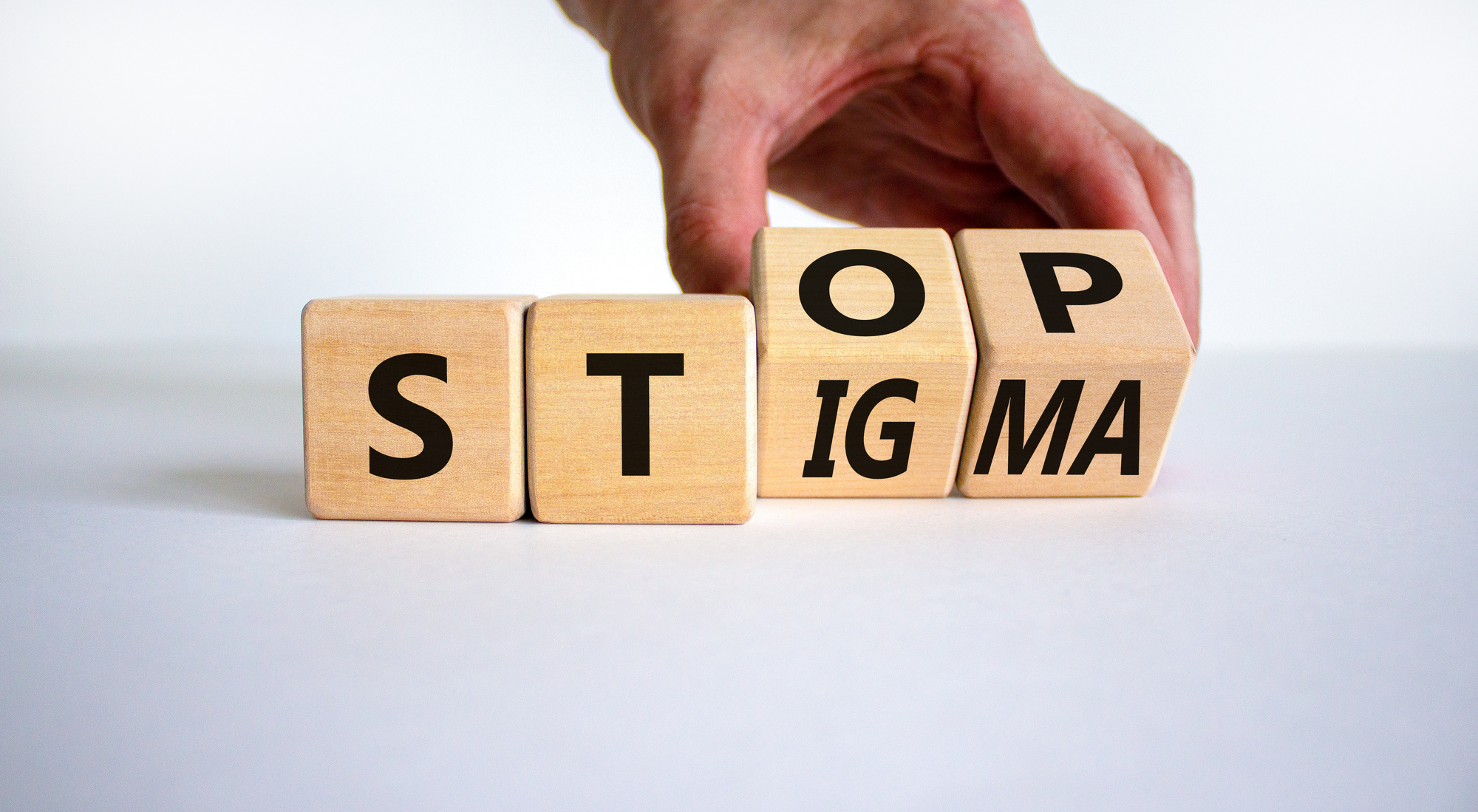
The Role of Mental Health Support in Lasting Addiction Recovery

Addiction is rarely an isolated issue. Often, it exists alongside mental health challenges such as anxiety, depression, or trauma. Addressing only the substance use without considering underlying mental health concerns can make recovery much more difficult and increase the risk of relapse. At Paracuaro, we recognize the critical role mental health support plays in lasting addiction recovery. By combining evidence-based therapies, holistic care, and individualized treatment plans, we help clients build resilience, restore balance, and achieve sustainable sobriety.

Understanding the Connection Between Addiction and Mental Health

Many individuals struggling with substance use also face co-occurring mental health disorders. These dual challenges can create a cycle where one condition worsens the other. For example, someone experiencing untreated depression may turn to alcohol or drugs to self-medicate, while substance use can intensify feelings of anxiety or hopelessness.

Common Co-Occurring Disorders

  • Anxiety and panic disorders
  • Depression and mood disorders
  • Post-traumatic stress disorder (PTSD)
  • Attention-deficit/hyperactivity disorder (ADHD)

Recognizing these connections early allows treatment providers to create a more effective, integrated approach that addresses both the addiction and the underlying mental health condition.

How Mental Health Support Enhances Recovery

Mental health support is a cornerstone of comprehensive addiction treatment. Therapy, counseling, and psychiatric care help individuals understand the root causes of their substance use, develop healthier coping mechanisms, and rebuild their sense of self-worth.

Benefits of Mental Health Support in Recovery

  • Reduces the risk of relapse by addressing emotional triggers
  • Provides coping tools for stress, cravings, and difficult emotions
  • Improves overall well-being and quality of life
  • Encourages self-awareness and personal growth

When mental health care is integrated into addiction recovery, clients are not just abstaining from substances. They are learning how to live balanced, meaningful lives with strategies to manage challenges without turning back to substances.

Personalized Care: Inpatient and Outpatient Options

Every recovery journey is unique, and mental health support must reflect that individuality. At Paracuaro, we offer both inpatient and outpatient programs that combine structured care with flexibility for each client’s needs.

Inpatient Care

In a residential setting, individuals receive 24-hour support from a team of professionals, including mental health counselors, therapists, and medical staff. This environment provides safety, routine, and intensive therapy, helping clients address both addiction and mental health concerns simultaneously.

Outpatient Care

Outpatient programs allow clients to participate in therapy and counseling while maintaining their daily responsibilities. This option is ideal for those with stable living conditions who need continued mental health support to reinforce recovery strategies learned during inpatient care or initial treatment phases.

Holistic and Faith-Based Approaches

In addition to traditional therapy, holistic and faith-based practices play a vital role in mental health support. Techniques such as mindfulness, meditation, spiritual guidance, and holistic wellness programs help clients manage stress, improve emotional regulation, and foster self-compassion. By addressing the mind, body, and spirit, recovery becomes a comprehensive process rather than a purely medical intervention.

Taking the First Step Toward Integrated Care

Mental health support is not an optional component of lasting addiction recovery—it is essential. Understanding and addressing co-occurring disorders empowers individuals to break the cycle of substance use and develop long-term resilience.

If you or a loved one is struggling with addiction, reaching out for professional guidance is the first step toward healing. At Paracuaro, our team provides compassionate, individualized care that integrates mental health support, evidence-based treatment, and holistic approaches to ensure every client has the tools needed for lasting recovery. Contact us today to start your journey toward a healthier, balanced, and substance-free life.

From Awareness to Action: Navigating Addiction Information for a Healthier Future

In the search for healing, knowledge is often the first bridge between a life of dependency and a future of freedom. At Paracuaro, we understand that when you or a loved one is struggling, the sheer volume of addiction information available can feel like a secondary crisis. Between medical terminology and the emotional weight of the situation, finding a clear path forward is difficult. However, by transforming that awareness into a professional and clinical plan, you can begin the journey toward lasting wellness. Our mission is to provide the compassionate, expert guidance needed to help you navigate your treatment options and reclaim your stability.

Decoding the Mechanics of Dependency

To take effective action, one must first understand the “ins and outs” of how addiction functions. It is not a moral failing or a lack of discipline; it is a complex health condition that impacts the brain’s neurochemistry and the body’s physical health.

[Image showing the neurological shift in the brain’s reward center during active addiction]

A key piece of addiction information involves the “dual diagnosis” model. Many individuals who struggle with substance abuse are also managing underlying mental health challenges like anxiety, depression, or trauma. At Paracuaro, our mental health treatment is integrated directly into the recovery process. By treating the mind and the body as a single, connected system, we address the root causes of the struggle rather than just the outward symptoms.

Navigating the Levels of Care: Inpatient and Outpatient

One of the most important steps in turning awareness into action is choosing the right environment for recovery. Every individual requires a different level of supervision and support depending on their history and current health status.

The Inpatient Sanctuary

For many, the first step is a medically supervised detox followed by inpatient care. This residential setting provides a safe haven away from the triggers, stressors, and social circles that may have contributed to the addiction. In a professional inpatient program, you have 24/7 access to clinical experts who provide a structured schedule focused on physical stabilization and emotional growth.

The Outpatient Path to Resilience

As stability is achieved, outpatient care offers a way to maintain progress while slowly reintegrating into daily life. This level of treatment is essential for building real world resilience. It allows you to attend therapy and support groups while fulfilling work or family responsibilities, ensuring that your “new life” is built on a solid foundation of local support.

The Power of an Individualized Care Plan

We believe that professional addiction recovery must be as unique as the person receiving it. A “one size fits all” approach often misses the nuances of a person’s life story and health needs. At Paracuaro, we prioritize the creation of an individualized care plan that acts as your personalized roadmap.

Your plan may include:

  • Cognitive Behavioral Therapy (CBT): To identify and reshape negative thought patterns.
  • Family Counseling: To heal the communication gaps and rebuild trust within the home.
  • Holistic Wellness: Incorporating nutrition and stress management to support long term brain health.

Taking the Lead on Your Recovery

The moment you decide to look for addiction information, you have already taken the most difficult step. The move from awareness to action requires a partnership with a professional team that understands your goals and respects your journey.

At Paracuaro, our compassionate and professional team is dedicated to providing the addiction recovery services you need to thrive. We are here to help you translate the information you have gathered into a concrete, life saving strategy. Whether you are seeking help for yourself or a family member, the time for action is now. Reach out to us today to learn more about our comprehensive treatment programs and take your first step toward a healthier, more vibrant future.

Understanding the Stages of Addiction: What to Expect From First Use to Recovery

Addiction is a journey that affects not only the individual but also their family, friends, and community. Understanding the stages of addiction is essential for anyone seeking help, supporting a loved one, or considering treatment options. Recognizing how addiction develops, escalates, and can be managed through recovery empowers individuals to take meaningful action toward lasting healing. At Paracuaro, we provide compassionate, client-centered support tailored to every stage of this journey, combining evidence-based treatment with holistic and faith-based approaches to help individuals regain control of their lives.

Stage One: Experimentation and Initial Use

The first stage of addiction often begins with experimentation. This may involve occasional use of substances such as alcohol, prescription medications, or illicit drugs. At this point, the individual may not experience negative consequences, but the behavior sets the stage for deeper involvement.

Key Characteristics

  • Curiosity or peer influence motivates use
  • Use is sporadic and may feel controlled
  • Positive feelings or stress relief are the main incentives

Early Warning Signs

  • Increased secrecy about use
  • Changes in social circles or activities
  • Minor changes in mood or motivation

Understanding this stage is critical because early intervention can prevent progression to more severe stages of addiction.

Stage Two: Regular Use and Escalation

As substance use becomes more frequent, patterns begin to change. What was once occasional can turn into regular use, often accompanied by tolerance, where higher amounts are needed to achieve the same effect.

Key Characteristics

  • Using substances to cope with stress or emotions
  • Developing routines around substance use
  • Experiencing early negative consequences at work, school, or home

Why Intervention Matters

At this stage, professional support can help prevent the development of physical dependence or severe psychological effects. Outpatient counseling, mental health support, and educational programs can be effective early interventions.

Stage Three: Dependence and Addiction

When dependence develops, the body and mind rely on the substance to function normally. Addiction is characterized by compulsive use despite harmful consequences, and withdrawal symptoms may appear when use stops.

Key Characteristics

  • Strong cravings and inability to control use
  • Neglect of personal, professional, and social responsibilities
  • Physical withdrawal symptoms such as nausea, anxiety, or insomnia

Professional treatment is essential at this stage. Inpatient care, medical supervision, and individualized therapy can address both physical and mental health needs.

Stage Four: Recovery and Healing

Recovery is a lifelong process that begins once an individual seeks help and enters treatment. Recovery involves addressing the root causes of addiction, building coping strategies, and developing a supportive network. At Paracuaro, we emphasize holistic and faith-based approaches to complement evidence-based therapies, ensuring that treatment addresses mind, body, and spirit.

Essential Components of Recovery

  • Personalized treatment plans combining inpatient and outpatient care
  • Mental health therapy to address co-occurring disorders
  • Support groups and family involvement
  • Holistic approaches such as mindfulness, nutrition, and spiritual guidance

Recovery is not linear. Relapse may occur, but it is not a failure. With consistent support and individualized care, long-term sobriety is achievable.

Moving Forward With Support

Understanding the stages of addiction equips individuals and families with the knowledge to recognize warning signs, seek timely treatment, and foster lasting recovery. Professional support, compassion, and personalized care are vital at every stage.

If you or a loved one is struggling with addiction, reaching out for help is the first step toward hope and healing. At Paracuaro, our team of experts provides comprehensive care tailored to each individual’s journey. Contact us today to learn more about our programs and begin your path to recovery.

Why Addiction Isn’t a Choice—and How Science Supports Effective Treatment

For decades, addiction has been widely misunderstood. Many still believe that substance use disorder is a matter of personal choice or a sign of moral weakness. This misconception perpetuates stigma and prevents individuals from seeking help. At Paracuaro, we approach addiction as a complex, chronic medical condition that affects the brain, body, and mind. Understanding that addiction is not a choice—and learning how science guides effective treatment—empowers families and individuals to take meaningful steps toward recovery.

Understanding Addiction as a Brain Disease

How Addiction Changes the Brain

Substance use disorders alter the brain’s reward system, increasing cravings and reducing self-control. Repeated drug or alcohol use changes the way the brain processes pleasure and stress, making it difficult to stop despite negative consequences. These neurological changes explain why addiction cannot be overcome by willpower alone.

Genetic and Environmental Factors

Addiction is influenced by a combination of genetic, environmental, and social factors. Family history, trauma, chronic stress, and mental health conditions can increase vulnerability to substance use disorder. Recognizing these influences helps reduce blame and fosters a more compassionate approach to recovery.

Science-Based Approaches to Treatment

Evidence-Based Therapies

Effective treatment begins with evidence-based therapies that target both substance use and underlying mental health conditions. Cognitive behavioral therapy, motivational interviewing, and trauma-informed care help individuals identify triggers, develop coping strategies, and rebuild healthy routines. At Paracuaro, these therapies are combined with holistic and faith-based interventions for comprehensive care.

Inpatient and Outpatient Programs

Treatment can take many forms depending on the severity of addiction. Inpatient programs provide a structured environment with 24-hour support, ideal for severe or long-term substance use disorders. Outpatient programs offer flexibility for those with strong support systems or work and family obligations, allowing participants to integrate recovery skills into daily life. Both approaches are designed to support long-term success.

Holistic and Faith-Based Support

Recovery is more than stopping substance use; it involves restoring overall well-being. Holistic practices such as mindfulness, yoga, and nutrition counseling improve physical and emotional health. Faith-based guidance provides spiritual support, purpose, and community connection. Combining these approaches with clinical care enhances motivation, resilience, and relapse prevention.

Why Recognizing Addiction as a Medical Condition Matters

Reducing Stigma

Viewing addiction as a medical condition rather than a choice reduces stigma. Families, communities, and healthcare providers are more likely to respond with empathy, encouragement, and support instead of judgment. This shift in perspective increases the likelihood that individuals will seek professional help.

Encouraging Early Intervention

Understanding that addiction is not a choice encourages early intervention. The sooner treatment begins, the higher the chances of successful recovery. Families and individuals can recognize warning signs, access professional care, and adopt healthy coping strategies before the disease progresses further.

Science, Compassion, and Recovery

Addiction is a complex medical condition, not a personal failure. Science shows that effective treatment addresses the brain, body, and mind while incorporating therapy, holistic care, and faith-based support. At Paracuaro, we provide compassionate, individualized care that combines these elements to guide each person toward lasting recovery.

If you or a loved one are struggling with substance use, reaching out for help is the first step toward healing. With the right support, education, and treatment, recovery is not only possible—it is sustainable and life-changing.

From Denial to Healing: The Early Warning Signs of Substance Use Disorder

Substance use disorder often develops quietly, making it difficult for individuals and families to recognize when casual use has crossed into a serious problem. Denial is common, not because people do not care, but because addiction changes how the brain processes risk, reward, and consequences. At Paracuaro, we believe that understanding the early warning signs of substance use disorder can open the door to timely support, compassionate care, and lasting recovery. Early awareness saves lives and gives individuals the opportunity to heal before addiction takes deeper hold.

Why Early Recognition Matters

Addiction Progresses Over Time

Substance use disorder is a progressive condition. What may begin as occasional use can slowly evolve into dependence as the brain adapts to repeated exposure to drugs or alcohol. The earlier treatment begins, the easier it is to interrupt this cycle and reduce long-term physical, emotional, and spiritual harm.

Denial Is Part of the Disease

Denial is not a character flaw. It is often a symptom of addiction itself. Changes in brain chemistry can minimize perceived risks while amplifying cravings. Families who understand this are better equipped to respond with empathy rather than confrontation.

Common Early Warning Signs of Substance Use Disorder

Behavioral Changes

One of the earliest indicators of a developing problem is a noticeable shift in behavior. This may include increased secrecy, changes in social circles, or withdrawing from family and long-standing relationships. Individuals may begin neglecting responsibilities at work, school, or home while prioritizing substance use.

Emotional and Mental Health Shifts

Mood swings, irritability, anxiety, or unexplained sadness can signal an emerging substance use disorder. Many individuals use substances to cope with stress, trauma, or untreated mental health conditions. Over time, this coping mechanism can worsen anxiety or depression, creating a harmful cycle.

Physical Warning Signs

Physical changes may include disrupted sleep patterns, changes in appetite, frequent fatigue, or unexplained health issues. Tolerance can also increase, meaning more of the substance is needed to achieve the same effect. These signs often appear before a person realizes they have lost control.

The Link Between Mental Health and Substance Use

Co-Occurring Conditions

Mental health and addiction are closely connected. Conditions such as depression, anxiety, or post-traumatic stress disorder often co-occur with substance use disorder. At Paracuaro, we treat these conditions together because addressing mental health is essential to sustainable recovery. Ignoring one while treating the other increases the risk of relapse.

Self-Medication Patterns

Many individuals begin using substances to manage emotional pain or overwhelming stress. While this may offer temporary relief, it ultimately deepens both mental health symptoms and addiction. Recognizing this pattern early allows for healthier coping strategies to be introduced through professional care.

What Families Can Do When Warning Signs Appear

Approach With Compassion

Conversations about substance use should begin with concern, not blame. Listening openly and expressing care helps reduce defensiveness and encourages honesty. Addiction thrives in shame, but healing grows in understanding.

Seek Professional Guidance

Early assessment by addiction and mental health professionals can clarify whether treatment is needed and at what level. Paracuaro offers both inpatient and outpatient programs that are individualized to each person’s needs, providing holistic and faith-based support alongside evidence-based care.

Support Without Enabling

Families can offer encouragement while setting healthy boundaries. Learning the difference between support and enabling is a critical step in protecting both the individual and the family unit.

Turning Awareness Into Healing

Recognizing the early warning signs of substance use disorder can feel overwhelming, but it is also an opportunity for hope. Early intervention leads to better outcomes, stronger recovery, and restored relationships. At Paracuaro, we provide compassionate, holistic, and faith-centered treatment that addresses the whole person, not just the symptoms of addiction.

If you or someone you love is showing signs of substance use disorder, do not wait for the situation to worsen. Reach out to Paracuaro today. Healing begins with awareness, and support is available every step of the way.

Breaking Down Stigma: How Accurate Addiction Info Improves Outcomes

Addiction has long been misunderstood, and misconceptions continue to shape public perception. Many people still view substance use disorders as moral failings or signs of weak character. This stigma can prevent individuals from seeking help and make recovery more challenging. At Paracuaro, we believe that accurate information about addiction is essential to improving outcomes for those struggling with substance use. By replacing judgment with understanding, families and communities can support lasting recovery and promote healthier, more compassionate care.

Understanding Addiction Beyond Myths

Addiction as a Medical Condition

Substance use disorder is a chronic brain disease, not a personal weakness. Drugs and alcohol alter brain chemistry, affecting reward systems, impulse control, and decision-making processes. Over time, the brain becomes dependent on substances, making stopping without support extremely difficult. Recognizing addiction as a medical condition is the first step in reducing stigma and encouraging effective treatment.

Common Misconceptions

Several myths perpetuate stigma:

  • Addiction is a choice: While initial use may involve a decision, addiction changes the brain in ways that undermine self-control.
  • Treatment is unnecessary if someone wants to quit: Recovery often requires structured therapy, medical support, and holistic care.
  • People with addiction are dangerous or untrustworthy: Most individuals with substance use disorders are seeking help and can lead productive lives with proper treatment.

Understanding these facts helps families, friends, and communities provide informed support.

How Stigma Affects Recovery

Barriers to Seeking Help

Fear of judgment can delay treatment for months or even years. Shame and social isolation discourage individuals from accessing professional care, leading to worsening physical, emotional, and social consequences.

Emotional Toll

Stigma also affects mental health. People with substance use disorders often experience anxiety, depression, or low self-esteem because of societal judgment. These emotional challenges can exacerbate substance use and make relapse more likely.

Using Accurate Information to Improve Outcomes

Education and Awareness

Educating families and communities about the science of addiction fosters empathy and support. Learning about the neurological, genetic, and environmental factors that contribute to substance use disorders encourages compassionate responses rather than blame.

Integrating Holistic and Faith-Based Care

At Paracuaro, we offer a combination of evidence-based therapies, holistic treatments, and faith-centered guidance. Accurate knowledge allows families to understand why these approaches work and how they contribute to long-term recovery, improving engagement and outcomes.

Supporting Treatment Adherence

When stigma is reduced, individuals are more likely to participate fully in their treatment plans. They feel empowered to attend therapy sessions, engage in group support, and practice healthy coping strategies without fear of judgment.

How Families Can Help

  • Communicate with empathy: Listen without blaming and offer encouragement.
  • Educate yourself: Understand the science of addiction and the benefits of professional treatment.
  • Participate in recovery: Family counseling and involvement in holistic programs strengthen support networks.

Creating a Culture of Understanding

Breaking down stigma is a vital part of the recovery process. Accurate information about addiction transforms fear into empathy and isolation into support. At Paracuaro, we combine compassionate, individualized care with holistic and faith-based approaches to provide the guidance and tools needed for lasting recovery.

If you or a loved one are struggling with substance use, reaching out for professional help is the first step toward healing. With education, understanding, and the right support, recovery is not only possible—it can lead to a healthier, more fulfilling life.

Inpatient or Outpatient Addiction Treatment: Choosing the Right Path for You

When it comes to addiction recovery, one of the first and most important decisions an individual or family faces is choosing the type of treatment that best fits their needs. At Paracuaro, we provide both inpatient and outpatient programs, each designed to support healing through professional care, holistic therapies, and faith-based guidance. Understanding the differences between these approaches can help you make an informed decision and set the stage for successful, long-term recovery.

Understanding Inpatient Addiction Treatment

What Is Inpatient Care?

Inpatient addiction treatment, also known as residential care, provides 24-hour support in a structured environment. Individuals live on-site at the treatment center, allowing them to focus entirely on recovery without the distractions or triggers of daily life. This immersive setting is ideal for those with severe substance use disorders, co-occurring mental health conditions, or a history of unsuccessful attempts at outpatient care.

Benefits of Inpatient Programs

Inpatient treatment offers several key advantages:

  • Intensive Support: Around-the-clock supervision ensures that medical and emotional needs are promptly addressed.
  • Structured Routine: Daily schedules provide therapy, group sessions, and holistic activities, creating a consistent framework for recovery.
  • Peer and Professional Community: Living among peers who are also committed to recovery fosters accountability, understanding, and motivation.

Understanding Outpatient Addiction Treatment

What Is Outpatient Care?

Outpatient programs allow individuals to live at home while attending scheduled treatment sessions. This approach is often recommended for those with mild to moderate substance use disorders, strong support systems, or responsibilities such as work or school that make residential care challenging. Outpatient care combines therapy, counseling, and holistic treatments while allowing participants to practice recovery skills in real-world settings.

Benefits of Outpatient Programs

Outpatient treatment provides flexibility without sacrificing support:

  • Integration with Daily Life: Individuals can apply coping strategies in real-time, strengthening long-term recovery skills.
  • Cost-Effective: Outpatient programs generally cost less than inpatient care, making treatment accessible for more people.
  • Customized Scheduling: Sessions can be tailored to fit personal obligations, allowing individuals to maintain work or family responsibilities while in recovery.

Choosing the Right Path

Factors to Consider

Selecting between inpatient and outpatient treatment depends on several factors:

  • Severity of Addiction: Severe addiction or long-term substance use may benefit from the structured environment of inpatient care.
  • Co-Occurring Conditions: Mental health challenges often require integrated, intensive treatment.
  • Support Systems: A strong home and community support network may make outpatient treatment more feasible.
  • Lifestyle and Responsibilities: Work, school, and family obligations can influence the choice of care.

Personalized Approach at Paracuaro

At Paracuaro, we assess each individual’s unique needs, challenges, and goals before recommending a treatment plan. Our programs integrate evidence-based therapies, holistic care, and faith-centered guidance to create a comprehensive recovery experience. Whether inpatient or outpatient, every plan is designed to foster physical, mental, and spiritual well-being.

Taking the First Step Toward Recovery

Choosing between inpatient and outpatient treatment is a critical step in the recovery journey. Both approaches offer distinct benefits, and the right path depends on your personal circumstances and needs. At Paracuaro, we provide compassionate, individualized care that supports lasting recovery, helping each person rebuild their life with hope and purpose.

If you or a loved one are struggling with addiction, reach out to Paracuaro today. Our expert team can guide you in selecting the right program and provide the support needed to begin your journey toward healing and long-term sobriety.

The Role of Holistic and Faith-Based Care in Addiction Recovery

Addiction recovery is not just about abstaining from substances. It is about restoring balance to the mind, body, and spirit. At Paracuaro, we recognize that each individual’s journey is unique and that healing extends beyond traditional therapy. Holistic and faith-based approaches provide essential support for long-term recovery by addressing the emotional, physical, and spiritual aspects of addiction. Understanding the role these practices play can help individuals and families make informed decisions about the type of care that best supports lasting healing.

What Is Holistic Care in Addiction Recovery?

Treating the Whole Person

Holistic care is centered on the principle that recovery is most effective when it addresses all dimensions of a person’s well-being. This includes mental, emotional, physical, and spiritual health. Instead of focusing solely on substance use, holistic approaches incorporate therapies such as nutrition counseling, mindfulness practices, yoga, and exercise. These practices not only improve overall wellness but also help manage stress, reduce cravings, and strengthen resilience during recovery.

Evidence-Based Integration

At Paracuaro, holistic care is integrated with evidence-based therapies. Cognitive behavioral therapy, motivational interviewing, and trauma-informed care work alongside holistic interventions to ensure that recovery is comprehensive and sustainable. By addressing the underlying causes of addiction and promoting healthy coping mechanisms, holistic care supports long-term sobriety.

The Role of Faith-Based Support

Spiritual Connection and Meaning

Faith-based care emphasizes the importance of spiritual well-being in recovery. Many individuals find that connecting with their spirituality provides purpose, hope, and motivation to maintain sobriety. Prayer, meditation, or participation in faith communities can strengthen emotional resilience and foster a sense of belonging, which is crucial for healing.

Complementing Traditional Treatment

Faith-based practices are not a replacement for medical or psychological treatment. Instead, they complement therapy by helping individuals explore values, rebuild trust, and find inner peace. At Paracuaro, we combine faith-based guidance with professional care to support a balanced and holistic recovery experience.

Benefits of Combining Holistic and Faith-Based Approaches

Improved Emotional Regulation

By incorporating mindfulness, spiritual practices, and holistic therapies, individuals learn to manage stress and emotional triggers without resorting to substances. This creates a stronger foundation for relapse prevention.

Enhanced Physical and Mental Health

Holistic approaches that emphasize nutrition, exercise, and self-care improve overall health and energy levels. These benefits support mental clarity, focus, and the ability to engage fully in therapeutic programs.

Stronger Support Systems

Faith-based communities and holistic group programs foster connection and accountability. These networks provide encouragement, mentorship, and social support that are vital for long-term recovery.

How Families Can Support Holistic and Faith-Based Recovery

Families play a crucial role in supporting recovery. Encouraging participation in holistic therapies, respecting spiritual practices, and engaging in family counseling sessions can help strengthen bonds and create a supportive home environment. Education about the benefits of holistic and faith-based care allows families to actively participate in the healing process.

Embracing Comprehensive Recovery

Addiction recovery is most effective when it treats the whole person. Holistic and faith-based care address the physical, mental, and spiritual dimensions of healing, creating a strong foundation for lasting sobriety. At Paracuaro, we combine individualized treatment, evidence-based therapy, and compassionate, faith-centered support to help each person rebuild their life.

If you or a loved one are seeking recovery, reach out to Paracuaro today. Healing is a journey, and with comprehensive, holistic, and faith-based care, long-term recovery is possible.

How Co-Occurring Mental Health Conditions Impact Recovery and What You Can Do

Addiction rarely exists in isolation. Many individuals struggling with substance use disorders also face co-occurring mental health conditions such as anxiety, depression, or post-traumatic stress disorder. These overlapping challenges can complicate recovery, making it harder to achieve long-term stability without comprehensive care. At Paracuaro, we understand the complexities of co-occurring conditions and provide compassionate, evidence-based treatment that addresses both addiction and mental health. Understanding how these conditions interact is essential for families, caregivers, and individuals seeking lasting recovery.

What Are Co-Occurring Mental Health Conditions?

Understanding Dual Diagnosis

A co-occurring condition, or dual diagnosis, refers to the presence of both a substance use disorder and a mental health disorder in the same individual. These conditions often reinforce one another. For example, someone with untreated anxiety may use alcohol to self-medicate, while alcohol misuse can exacerbate anxiety symptoms. Without integrated treatment, recovery efforts can be undermined by untreated mental health challenges.

Common Co-Occurring Conditions

Several mental health disorders frequently appear alongside addiction, including:

  • Depression: Persistent sadness, hopelessness, or loss of interest in daily activities.
  • Anxiety Disorders: Excessive worry, panic attacks, or generalized anxiety that may drive substance use.
  • Post-Traumatic Stress Disorder (PTSD): Trauma-related symptoms that lead some individuals to seek relief through drugs or alcohol.
  • Bipolar Disorder: Mood swings that can increase the likelihood of substance misuse during manic or depressive episodes.

How Co-Occurring Conditions Affect Recovery

Increased Risk of Relapse

Untreated mental health conditions can create intense emotional distress, making relapse more likely. When cravings are triggered by anxiety, depression, or other symptoms, individuals may turn to substances as a coping mechanism, perpetuating the cycle of addiction.

Complicated Treatment Needs

Recovery is more challenging when multiple conditions must be addressed simultaneously. Standard addiction treatment alone may not fully resolve mental health symptoms, and untreated psychological issues can limit the effectiveness of recovery programs. Integrated care is essential to promote stability and reduce the risk of setbacks.

Steps to Support Recovery with Co-Occurring Conditions

Seek Integrated Treatment

The most effective approach combines addiction recovery with mental health care. At Paracuaro, our programs are designed to treat the whole person. By addressing both substance use and mental health, we provide individuals with tools to manage triggers, improve emotional resilience, and build long-term stability.

Incorporate Holistic and Faith-Based Practices

Healing extends beyond therapy and medication. Mindfulness, spiritual guidance, and holistic therapies can support emotional regulation and overall well-being. Paracuaro integrates these approaches with clinical care to strengthen recovery from all angles.

Engage Family and Community Support

Recovery is more successful when individuals feel supported. Families can learn about co-occurring disorders, participate in therapy, and provide encouragement while maintaining healthy boundaries. Community support and peer groups also foster accountability and connection.

Monitor Progress and Adjust Care

Co-occurring conditions require ongoing evaluation. Treatment plans may need to be adjusted based on symptom changes, progress in recovery, or life stressors. Continuous collaboration with trained professionals ensures that both addiction and mental health are effectively addressed.

Moving Forward with Comprehensive Care

Co-occurring mental health conditions present unique challenges, but recovery is possible with the right support. Understanding the interplay between addiction and mental health empowers individuals and families to seek integrated, holistic treatment. At Paracuaro, we provide compassionate, faith-based, and individualized care that addresses the mind, body, and spirit. If you or a loved one are navigating addiction alongside a mental health condition, reach out today. With guidance, education, and support, lasting recovery is within reach.

Understanding Substance Use: Key Facts Every Family Should Know

Substance use can affect anyone—regardless of age, background, or beliefs. For many families, recognizing the signs of addiction or understanding why it happens can feel overwhelming. Yet, knowledge is one of the most powerful tools for healing. At Paracuaro, we believe that education replaces fear with understanding, allowing families to offer meaningful support to their loved ones. By learning the facts about substance use and addiction, families can help create a path toward recovery, hope, and lasting change.

What Is Substance Use Disorder?

Addiction as a Medical Condition

Substance use disorder (SUD) is not a lack of willpower or a moral failure. It is a chronic medical condition that changes the brain’s reward, motivation, and memory systems. Over time, individuals may lose control over their use of substances, even when they want to stop. These changes make addiction incredibly difficult to overcome without professional help.

Why People Turn to Substances

There are many reasons why someone might begin using drugs or alcohol. For some, it starts as a way to cope with stress, trauma, or mental health struggles. For others, it may begin through social use or prescription medication misuse. Whatever the cause, addiction often develops gradually, reinforcing patterns that can be hard to break without support.

The Role of Mental Health in Addiction

Co-Occurring Disorders

Mental health and addiction are often deeply connected. Conditions such as anxiety, depression, or post-traumatic stress disorder (PTSD) can increase the risk of substance use. Many individuals turn to drugs or alcohol as a form of self-medication to numb emotional pain. At Paracuaro, we treat both mental health and substance use disorders together because healing the mind and spirit is essential to achieving lasting recovery.

Breaking the Cycle

When addiction and mental health challenges go untreated, they can fuel each other in a continuous cycle. Professional treatment that includes therapy, counseling, and holistic care helps individuals understand their triggers, manage emotions, and rebuild self-worth.

How Families Can Help

Replace Judgment with Understanding

One of the most important steps a family can take is to replace blame with compassion. Addiction is a disease that thrives in shame but weakens in empathy. Encouraging open communication, expressing care, and learning about addiction’s root causes can make a tremendous difference in a loved one’s recovery journey.

Encourage Professional Support

Recovery rarely happens alone. Seeking help from a licensed treatment center is vital. At Paracuaro, we provide both inpatient and outpatient programs designed around each individual’s unique needs. Our holistic and faith-based approach supports the whole person—mind, body, and spirit—ensuring that treatment is both effective and deeply personal.

Practice Patience and Self-Care

Recovery is not a straight line. Families must remember to care for themselves as they support their loved one. Participating in family therapy, joining support groups, and setting healthy boundaries can help maintain balance and resilience throughout the recovery process.

A Holistic Approach to Healing

At Paracuaro, we believe that true healing extends beyond abstinence. Our programs focus on restoring emotional stability, spiritual well-being, and physical health. Through individualized care, evidence-based therapies, and faith-centered guidance, we help individuals and families move forward together toward a brighter, healthier future.

Conclusion: Hope Begins with Understanding

Addiction touches lives in ways that can be painful and confusing, but it is never hopeless. By understanding substance use as a medical condition and supporting recovery with compassion and knowledge, families can help break the cycle of addiction. Paracuaro is here to guide you every step of the way with comprehensive, holistic, and faith-based treatment programs designed to heal the whole person.

If you or someone you love is struggling with addiction, reach out to Paracuaro today. Healing begins when families learn, connect, and take that first courageous step toward recovery together.


SEO Highlights: